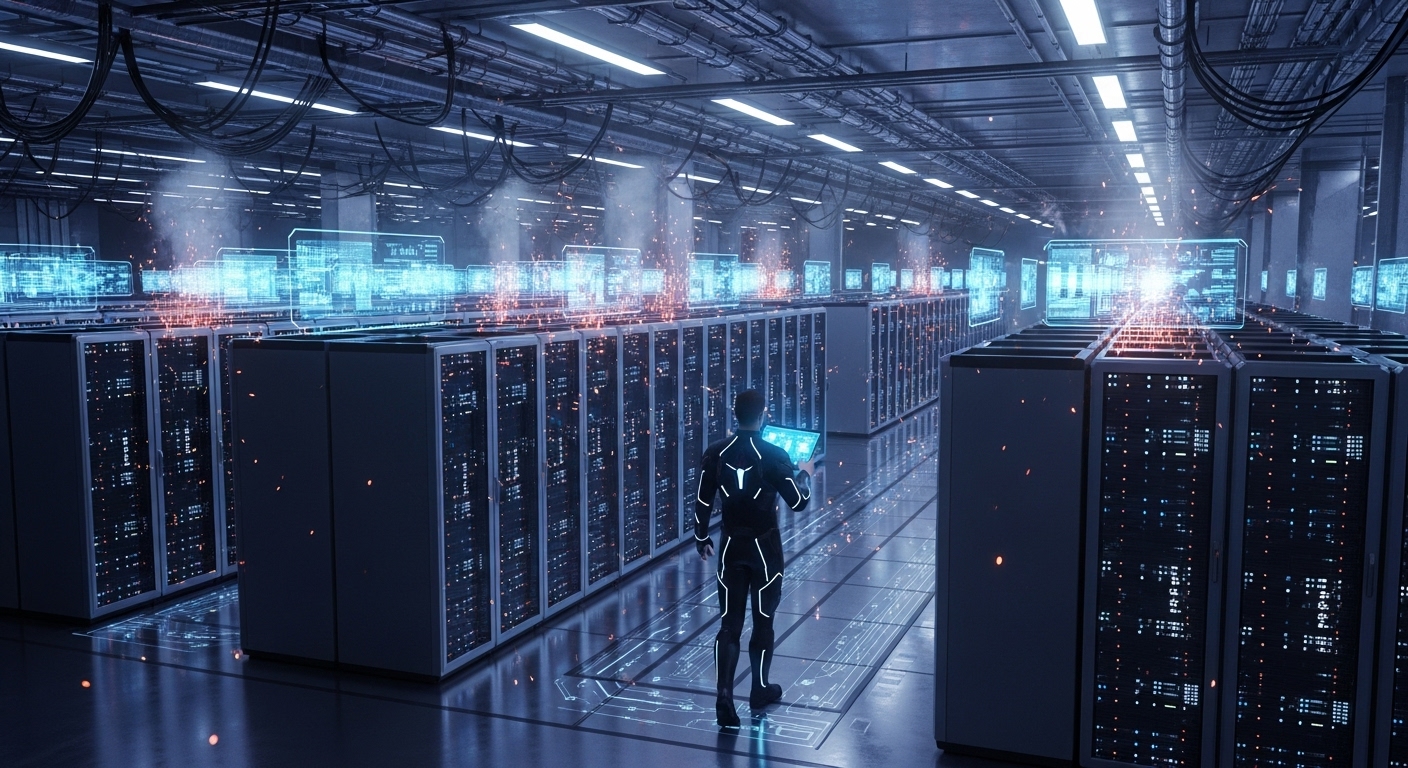

Introduction: Technology as the New Invisible Force
Technology is no longer a distant concept reserved for laboratories or large corporations. It has quietly blended into daily life, shaping how people think, work, communicate, and even dream. From the moment we wake up to the alarm on a smartphone to the algorithms deciding what content we see online, technology operates like an invisible force guiding modern civilization. Unlike past industrial revolutions that were loud and visibly mechanical, today’s tech revolution is subtle, software driven, and deeply personal. This blog explores how technology is transforming human life, industries, and the future, not as a collection of machines, but as a living system evolving alongside humanity.
The Evolution from Tools to Thinking Machines
Early technology existed to extend human physical ability. Wheels reduced effort, tools increased strength, and machines accelerated production. Over time, technology moved from muscle assistance to mind assistance. Computers began as calculators, evolved into data processors, and now function as decision-making partners. Artificial intelligence, machine learning, and data analytics represent a turning point where machines no longer just follow instructions but learn patterns and make predictions. This evolution marks a fundamental shift in the relationship between humans and technology, transforming tools into collaborators.
The Digital Lifestyle: Always Connected, Always Learning
Modern life is built around digital ecosystems. Smartphones, wearable devices, and smart homes have changed how people interact with the world. Communication is instant, information is limitless, and learning is continuous. People no longer wait for formal education to gain skills; tutorials, digital courses, and virtual communities allow self-driven learning. This constant connectivity has advantages such as convenience and global collaboration, but it also introduces challenges like information overload and reduced attention spans. Technology has redefined not only how we live, but how we think and process reality.
Artificial Intelligence and the New Age of Automation
Artificial intelligence stands at the center of the current technological transformation. It powers recommendation systems, voice assistants, medical diagnostics, financial forecasting, and customer support. Automation driven by AI is replacing repetitive tasks while creating demand for creative, analytical, and emotional skills. Rather than eliminating human roles entirely, AI is reshaping them. The future workforce will rely on human judgment combined with machine efficiency. Understanding how to work alongside intelligent systems will become a critical life skill.
Technology in Healthcare: From Treatment to Prediction
Healthcare has undergone a remarkable transformation through technology. Digital records, remote consultations, wearable health monitors, and AI-powered diagnostics are improving accuracy and accessibility. Technology is shifting healthcare from reactive treatment to proactive prevention. Predictive analytics can identify health risks before symptoms appear, while personalized medicine tailors treatment to individual genetic profiles. This shift not only saves lives but also reduces costs and improves overall well-being. Technology is turning healthcare into a continuous process rather than an occasional intervention.
Education Reimagined Through Technology
Education is no longer confined to classrooms or limited by geography. Online learning platforms, virtual classrooms, and interactive simulations have opened new pathways for students of all ages. Technology allows personalized learning experiences, adapting content to individual strengths and weaknesses. Students can explore subjects at their own pace, while educators gain tools to track progress more effectively. This democratization of education empowers people who were once excluded due to location, cost, or circumstance, creating a more inclusive knowledge economy.
The Rise of Data as the New Resource
In the digital age, data has become one of the most valuable resources. Every online interaction generates information that helps businesses, governments, and institutions make decisions. Data-driven insights optimize supply chains, improve customer experiences, and guide policy development. However, the rise of data also raises concerns about privacy, security, and ethical use. Responsible data management is essential to maintain trust and ensure technology serves humanity rather than exploiting it. The balance between innovation and protection will define the next phase of technological growth.
Cybersecurity and the Need for Digital Trust
As technology expands, so do digital threats. Cybersecurity has become a critical pillar of modern infrastructure. Protecting data, systems, and identities is essential in a world where financial transactions, communication, and governance depend on digital networks. Cybersecurity is no longer just a technical issue; it is a social and economic necessity. Building digital trust requires strong security practices, user awareness, and ethical responsibility from technology creators. Without trust, technological progress loses its foundation.
Technology and the Changing Nature of Work
Work has been fundamentally reshaped by technology. Remote work, digital collaboration tools, and global connectivity have redefined traditional office structures. Careers are becoming more flexible, skill-based, and project-oriented. Lifelong employment is giving way to lifelong learning. Workers must continuously adapt to new tools and platforms to remain relevant. While technology offers freedom and efficiency, it also demands resilience and adaptability. The future of work will reward those who embrace change rather than resist it.
Smart Cities and Sustainable Innovation
Urban environments are becoming smarter through technology. Sensors, data analytics, and automation help manage traffic, energy consumption, waste, and public safety. Smart cities aim to improve quality of life while reducing environmental impact. Technology enables efficient resource management and supports sustainability goals. However, smart cities must be designed with inclusivity and transparency to ensure benefits reach all citizens. Sustainable innovation is not just about advanced systems, but about thoughtful implementation.
Ethical Challenges in a Tech-Driven World
With great power comes great responsibility. Technology raises complex ethical questions about surveillance, bias, job displacement, and digital dependency. Algorithms can unintentionally reinforce social inequalities, while constant connectivity can affect mental health. Ethical technology development requires diverse perspectives, clear regulations, and a human-centered approach. The goal should not be technological dominance, but technological harmony with human values.
The Human Role in a Technological Future
Despite rapid advancements, technology remains a reflection of human intention. Creativity, empathy, and moral judgment cannot be fully automated. The future belongs to those who understand technology without losing their humanity. Rather than fearing innovation, society must guide it with wisdom. Humans are not being replaced by machines; they are being challenged to evolve alongside them.
Conclusion: Shaping Tomorrow with Conscious Innovation
Technology is not a distant future concept; it is the present reality shaping every aspect of life. Its influence is subtle yet powerful, invisible yet transformative. The choices made today about how technology is developed, used, and regulated will define the world of tomorrow. Conscious innovation, ethical responsibility, and human-centered design are essential to ensure technology remains a force for progress. As the silent code continues to run beneath modern life, humanity holds the responsibility to write its purpose wisely.