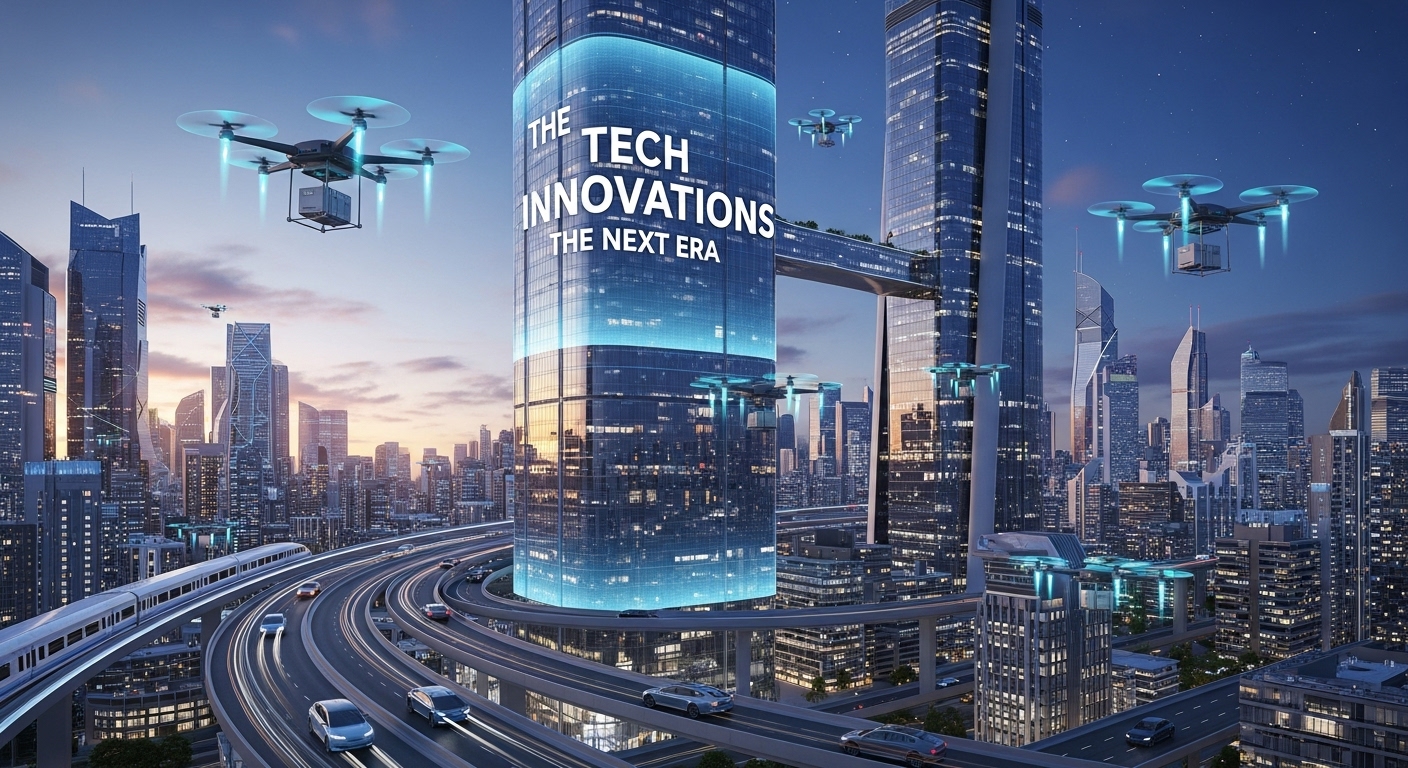

Introduction: A World Transformed by Technology
The rapid advancement of technology is one of the most profound transformations in human history. From the earliest tools created by our ancestors to the cutting-edge innovations we see today, technology has been a key factor in shaping human civilization. It has revolutionized industries, redefined communication, and drastically improved quality of life.
As we continue to push the boundaries of what’s possible, technology is not only changing the way we work, learn, and interact, but it is also altering the fundamental nature of society itself. Artificial intelligence, biotechnology, robotics, and digital communication are all playing major roles in this transformation.
This blog explores the many ways technology is reshaping our world, the challenges that accompany rapid technological growth, and the promising future that lies ahead.
The Evolution of Technology: From Tools to Digital Age
Throughout history, technology has always been a reflection of human ingenuity. The first tools, made of stone and wood, allowed early humans to hunt, build, and defend themselves. Over centuries, these basic tools evolved into complex machines that powered the Industrial Revolution, leading to massive societal changes.
The 20th century saw a massive leap forward with the advent of computers, the internet, and mobile devices. These innovations led to the Digital Age, where computing power and connectivity became accessible to billions of people across the globe.
Today, we are living in the Information Age, where data is king and digital technologies like artificial intelligence, machine learning, and blockchain are shaping industries, economies, and even entire nations. What started as simple tools has now turned into a global force that touches nearly every aspect of human life.
The Role of Technology in Communication
One of the most visible and profound impacts of technology is in the field of communication. In the past, communicating over long distances was a slow and difficult process. Messages would take days, weeks, or even months to reach their destination. Today, however, communication is instantaneous, with the ability to send messages, make video calls, or share information across the globe with a click of a button.
Smartphones and social media have revolutionized how we interact with others. Social media platforms like Facebook, Twitter, Instagram, and LinkedIn allow people to connect, share, and communicate instantly, breaking down geographical barriers and enabling the formation of global communities. Video conferencing tools like Zoom and Skype have made remote work and virtual meetings commonplace, eliminating the need for physical presence in many situations.
Moreover, technology has opened the doors to new ways of expression. Blogging, podcasting, and video creation have empowered individuals to share their ideas and stories with an audience larger than ever before. As technology advances, the way we communicate will continue to evolve, creating more dynamic, immersive, and interactive methods of interaction.
Education in the Digital Age: A Global Classroom
Education is another area where technology has had a transformative impact. The traditional classroom setting is no longer the only way to learn. With the rise of online learning platforms like Coursera, edX, and Khan Academy, education is now accessible to anyone with an internet connection.
Online courses, virtual classrooms, and interactive learning tools have democratized education, making it easier for people from all backgrounds and locations to gain knowledge. Virtual and augmented reality are pushing the boundaries even further, allowing students to experience subjects like history, science, and geography in a more immersive and hands-on way.
Additionally, the use of artificial intelligence in education is starting to gain traction. AI can help personalize learning by adapting content to the needs and learning pace of individual students. This enables a more tailored approach to education, ensuring that each student gets the support they need to succeed. Technology is not just supplementing traditional education; it is transforming it into a dynamic, accessible, and flexible experience.
Healthcare Innovation: The Intersection of Tech and Medicine
Technology’s impact on healthcare is nothing short of revolutionary. In the past, medical advances took years, even decades, to develop and implement. Today, technological innovations are changing the face of healthcare in real-time.
One of the most significant advances is the use of medical devices and telemedicine. Wearable devices like fitness trackers, heart monitors, and glucose meters allow individuals to monitor their health in real-time. This data is sent directly to healthcare providers, enabling more efficient care and quicker diagnoses.
Telemedicine is also expanding access to healthcare, particularly in rural or underserved areas. Virtual consultations allow patients to speak with doctors and specialists without leaving their homes. This is especially beneficial in situations where patients cannot easily travel to healthcare facilities, either due to distance, financial constraints, or physical disabilities.
Moreover, artificial intelligence is playing a crucial role in medical research and diagnostics. AI algorithms can analyze medical data, identify patterns, and predict outcomes faster and more accurately than human doctors. This technology is helping doctors make better decisions and providing patients with more personalized and effective care.
Artificial Intelligence: The Power of Machines That Learn
Artificial intelligence (AI) is arguably the most transformative technology of the 21st century. AI systems are designed to mimic human intelligence, performing tasks that once required human intervention. The applications of AI are vast, ranging from natural language processing, where computers can understand and generate human language, to machine learning, where systems improve over time by analyzing data.
In everyday life, AI is already present in ways we might not even realize. Virtual assistants like Siri and Alexa, recommendation algorithms on platforms like Netflix and YouTube, and even smart home devices like thermostats and security cameras are all powered by AI.
In more industrial contexts, AI is being used to automate manufacturing processes, enhance supply chain management, and improve efficiency in various sectors. Machine learning algorithms are helping financial institutions detect fraud, healthcare providers diagnose diseases, and retailers predict consumer behavior. The potential of AI is virtually limitless, and as technology continues to evolve, AI will become an even more integrated part of our lives.
Technology in Business: Streamlining Operations and Driving Innovation
In the business world, technology has become a vital tool for driving innovation and improving efficiency. Companies are using cloud computing, big data, and automation to streamline operations, enhance customer experiences, and make data-driven decisions.
Cloud computing allows businesses to store and access data and applications over the internet, reducing the need for physical servers and increasing flexibility. Big data analytics enables companies to process vast amounts of information quickly, extracting valuable insights that inform strategic decisions.
Automation is another key area where technology is making an impact. From automated customer service through chatbots to robotic process automation in manufacturing, technology is improving productivity and reducing the need for manual labor. The integration of artificial intelligence and machine learning also enables companies to predict trends, personalize services, and optimize their operations.
The Environmental Impact of Technology: Opportunities for Sustainability
While technology often drives economic growth and innovation, it also has the potential to address some of the world’s most pressing environmental challenges. Green technology, such as renewable energy solutions, electric vehicles, and smart grids, is helping to reduce carbon emissions and mitigate the effects of climate change.
For example, solar panels and wind turbines harness natural energy sources, reducing reliance on fossil fuels. Electric vehicles are becoming more popular, decreasing pollution and improving air quality. Moreover, smart grids use technology to monitor and optimize electricity usage, reducing waste and making power distribution more efficient.
Technology is also helping in conservation efforts. Drones and satellite imaging are used to monitor wildlife populations and forests, while AI is used to analyze data related to environmental patterns and climate change. The environmental impact of technology is often associated with challenges such as e-waste, but innovations in recycling and sustainable design are helping to mitigate these effects.
The Future of Technology: What’s Next?
Looking ahead, the future of technology is both exciting and uncertain. Technologies like quantum computing, blockchain, and biotechnology hold the potential to disrupt industries and transform society in profound ways. Quantum computers could solve problems that are currently impossible for classical computers, while blockchain could revolutionize industries like finance and supply chain management by providing a secure and transparent way to handle data.
The rapid pace of technological development also brings about questions related to ethics, privacy, and societal impacts. As technology becomes more integrated into daily life, ensuring that it is used responsibly and ethically will be a key concern. Issues such as data privacy, job displacement due to automation, and the potential misuse of AI must be addressed as we move forward.
Conclusion: Embracing the Tech Revolution
Technology has already had a significant impact on the world, and its influence will only continue to grow in the coming years. From healthcare to business, communication, education, and sustainability, technology is reshaping the way we live, work, and interact.
As we look to the future, it’s important to harness the power of technology while considering its ethical, environmental, and social implications. With careful management and thoughtful integration, technology has the potential to solve some of the world’s most pressing problems and create a brighter, more sustainable future for all. The tech revolution is here, and we are only beginning to scratch the surface of its potential.