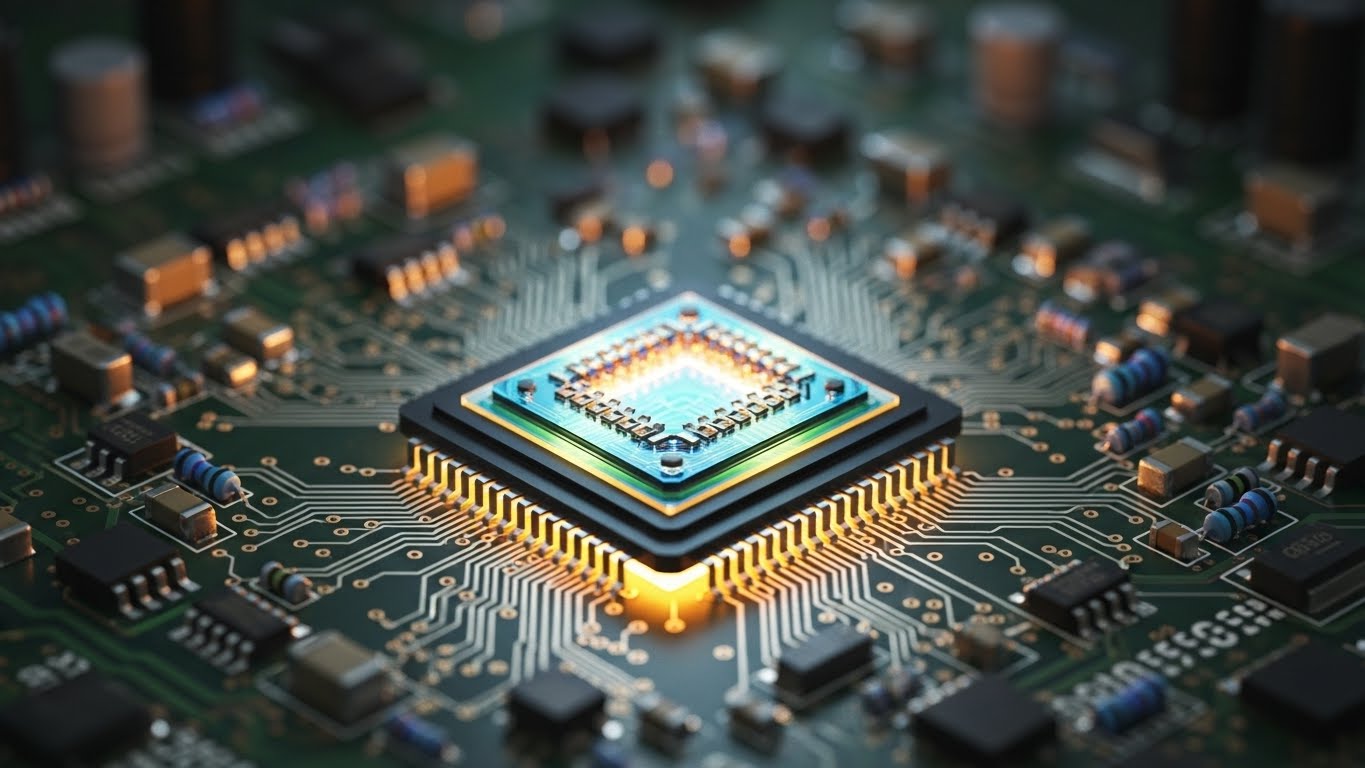

Technology has been an undeniable force shaping the world as we know it today. From its humble beginnings as simple tools to its current form as a driving force of nearly every facet of human life, technological innovation continues to evolve at a rapid pace. As we look to the future, the question is not just how technology will change, but how it will continue to transform our world. In this post, we explore some of the most exciting advancements in technology, the potential implications of these innovations, and how they will impact society, business, and our everyday lives.
The Rise of Artificial Intelligence and Machine Learning
One of the most significant technological developments of the past decade has been the rise of artificial intelligence (AI) and machine learning (ML). These technologies are not just altering the way businesses operate but are also transforming industries such as healthcare, finance, education, and even creative fields like art and music.
AI in Everyday Life
From voice assistants like Siri and Alexa to recommendation algorithms on platforms like Netflix and YouTube, AI has already become a part of our daily lives. However, the future promises much more. AI is expected to become more sophisticated, with advances in natural language processing, image recognition, and decision-making abilities. As AI systems become more capable, they will be integrated into even more aspects of life, from autonomous vehicles to personalized healthcare solutions.
One of the most notable potential applications of AI is in healthcare. AI-powered systems can analyze medical data faster and more accurately than humans, potentially revolutionizing diagnostics, drug discovery, and personalized treatments. AI chatbots are already being used to triage patient inquiries, and predictive algorithms could play a pivotal role in identifying health risks before they become serious problems.
Machine Learning and Data
Machine learning, a subset of AI, involves systems that can learn from data without being explicitly programmed. This technology is already driving innovations in areas such as predictive analytics, fraud detection, and customer service automation. As the volume of data continues to increase, machine learning will become even more valuable in providing actionable insights and helping organizations make smarter, data-driven decisions.
However, with this power comes the challenge of managing and interpreting vast amounts of data. Privacy and security concerns surrounding data usage are also significant considerations. The future will require not only technological advances but also strong frameworks for ethical AI deployment and data privacy protection.
Blockchain Technology and the Future of Transactions
Blockchain technology, best known for being the backbone of cryptocurrencies like Bitcoin and Ethereum, is one of the most promising technological innovations in recent years. While its association with digital currencies has been widely discussed, blockchain’s potential extends far beyond cryptocurrency.
Decentralization and Trust
At its core, blockchain is a decentralized ledger that records transactions in a secure, transparent, and immutable way. This decentralized nature is its biggest advantage, offering a new model of trust and transparency for various industries. Blockchain could revolutionize sectors such as supply chain management, voting systems, and digital identity verification by providing a secure, transparent record of transactions and interactions.
For example, blockchain could streamline the supply chain industry by providing real-time tracking of goods, ensuring authenticity, and preventing fraud. This could be particularly important in industries like pharmaceuticals, where counterfeit drugs are a major problem. Similarly, blockchain-based voting systems could make elections more secure, transparent, and resistant to fraud.
The Impact on Financial Systems
While cryptocurrencies are the most well-known use of blockchain, traditional financial systems are also beginning to explore its potential. Blockchain technology could streamline cross-border payments, reduce transaction costs, and eliminate intermediaries in the financial system. For banks and financial institutions, blockchain presents an opportunity to increase efficiency and reduce fraud while also improving the customer experience.
Moreover, the development of smart contracts—self-executing contracts with the terms of the agreement directly written into code—could disrupt the way businesses manage legal agreements, automating complex processes and reducing the need for intermediaries.
The Metaverse: A New Digital Frontier
In recent years, the concept of the “metaverse” has gained significant attention. The metaverse is a virtual universe made up of interconnected digital spaces where users can interact with each other and digital environments in real-time. While the metaverse is still in its early stages, its potential is vast, and it is expected to be a transformative technology in the coming years.
Virtual Reality and Augmented Reality
Virtual reality (VR) and augmented reality (AR) are key technologies enabling the development of the metaverse. VR immerses users in entirely digital environments, while AR overlays digital elements onto the real world. Together, these technologies will likely play a significant role in the evolution of the metaverse, allowing users to engage in activities like gaming, socializing, shopping, and working in entirely new ways.
For instance, VR could revolutionize online education by providing immersive learning experiences, where students can interact with 3D models or take virtual field trips to historical landmarks. AR could enhance shopping experiences, allowing customers to “try on” clothes or see how furniture would look in their homes before making a purchase.
The Future of Work in the Metaverse
One of the most exciting aspects of the metaverse is its potential to reshape the workplace. Remote work has become a norm for many people, especially since the pandemic, and the metaverse could take this a step further by creating fully immersive virtual offices. Imagine attending meetings, brainstorming sessions, or team-building activities in a 3D virtual workspace where you can interact with colleagues as if you were in the same room.
The metaverse also opens the door to new forms of social interaction and networking, which could have profound implications for everything from business collaborations to personal connections.
Quantum Computing: The Next Frontier in Processing Power
While the technologies mentioned above have already begun to make a significant impact, the true next frontier in computing is quantum computing. Quantum computers are still in the early stages of development, but their potential to solve complex problems far beyond the reach of classical computers could reshape industries from pharmaceuticals to logistics.
The Power of Quantum
Quantum computing leverages the principles of quantum mechanics, allowing computers to process information in fundamentally new ways. Unlike traditional computers, which process bits of information as either a 0 or a 1, quantum computers use qubits, which can exist in multiple states simultaneously. This enables quantum computers to solve certain types of problems exponentially faster than classical computers.
For instance, quantum computers could revolutionize fields like cryptography, enabling virtually unbreakable encryption methods. In medicine, they could accelerate drug discovery by simulating molecular interactions at a much faster rate than current supercomputers. In logistics, quantum computing could optimize supply chains by analyzing millions of variables at once, improving efficiency and reducing costs.
Challenges and Potential
However, quantum computing is still in its infancy, and there are significant challenges to overcome. Developing stable qubits, improving error correction methods, and scaling quantum systems are just a few of the technical hurdles that researchers are working to solve. Despite these challenges, the potential benefits of quantum computing are so vast that it is considered one of the most exciting areas of research in technology today.
The Role of Biotechnology and Nanotechnology in Shaping the Future
Another area where technology is poised to make transformative changes is biotechnology and nanotechnology. These fields have the potential to improve human health, extend lifespan, and revolutionize industries like agriculture and manufacturing.
Gene Editing and Personalized Medicine
One of the most promising developments in biotechnology is gene editing. Technologies like CRISPR have made it possible to edit genes with unprecedented precision, opening up possibilities for curing genetic diseases, improving crop yields, and even extending human life. Personalized medicine, which tailors treatments to individual genetic profiles, is also expected to become more common, leading to more effective and targeted therapies.
Nanotechnology and the Future of Manufacturing
Nanotechnology, which deals with the manipulation of matter on an atomic or molecular scale, has wide applications in fields ranging from medicine to manufacturing. In healthcare, nanotechnology could enable the delivery of drugs directly to diseased cells, minimizing side effects and improving treatment efficacy. In manufacturing, it could enable the creation of stronger, lighter materials, improving the performance of everything from electronics to automobiles.
Conclusion: The Infinite Possibilities of Tomorrow’s Technology
As we look to the future, it’s clear that technology will continue to drive innovation and shape our world in ways we can only begin to imagine. Whether through the rise of AI, the decentralized nature of blockchain, the immersive experiences of the metaverse, or the breakthrough potentials of quantum computing, the next decades promise to be an exciting time for tech enthusiasts, business leaders, and everyday people alike.
However, these advancements also raise important questions about privacy, ethics, and the societal impact of rapid technological change. As we move forward, it will be crucial to balance progress with responsibility, ensuring that technology continues to serve humanity’s best interests while mitigating potential risks.
The future of technology is a vast, uncharted frontier—one filled with opportunities, challenges, and infinite possibilities. And as we stand on the brink of this new era, the only certainty is that the digital world we inhabit will never be the same again.