Technology has become the bedrock of modern civilization. From the first wheel to artificial intelligence (AI), technology has evolved in ways unimaginable just a few centuries ago. The profound impact that technology has on our daily lives, industries, and even the very fabric of our societies is undeniable. What we are experiencing today in terms of innovation is just the beginning. The pace at which technology is advancing presents both immense opportunities and complex challenges, and it’s crucial to understand where it’s heading. In this blog, we will delve into the future of technology, exploring its key innovations, the industries that will be most affected, and the challenges we must navigate to ensure a sustainable and equitable technological future.
The Accelerating Pace of Technological Innovation
Technology has always evolved, but the pace of change has dramatically increased in recent decades. In the early days of industrialization, the evolution of technology took centuries, but today, innovation can happen in mere years or even months. Every new breakthrough seems to be followed by another that builds on it, creating a near-constant cycle of improvement and disruption.
The digital revolution, which began in the mid-20th century, ushered in rapid advancements in computing, communication, and data storage. In the last two decades, the rise of smartphones, the Internet of Things (IoT), and social media has connected billions of people and devices around the world. Technologies that were once confined to the realm of science fiction, like autonomous vehicles and smart homes, are now quickly becoming a reality. As these innovations continue to develop, they are expected to transform the way we live, work, and interact with one another.
Artificial Intelligence and Machine Learning: The Heart of Future Innovation
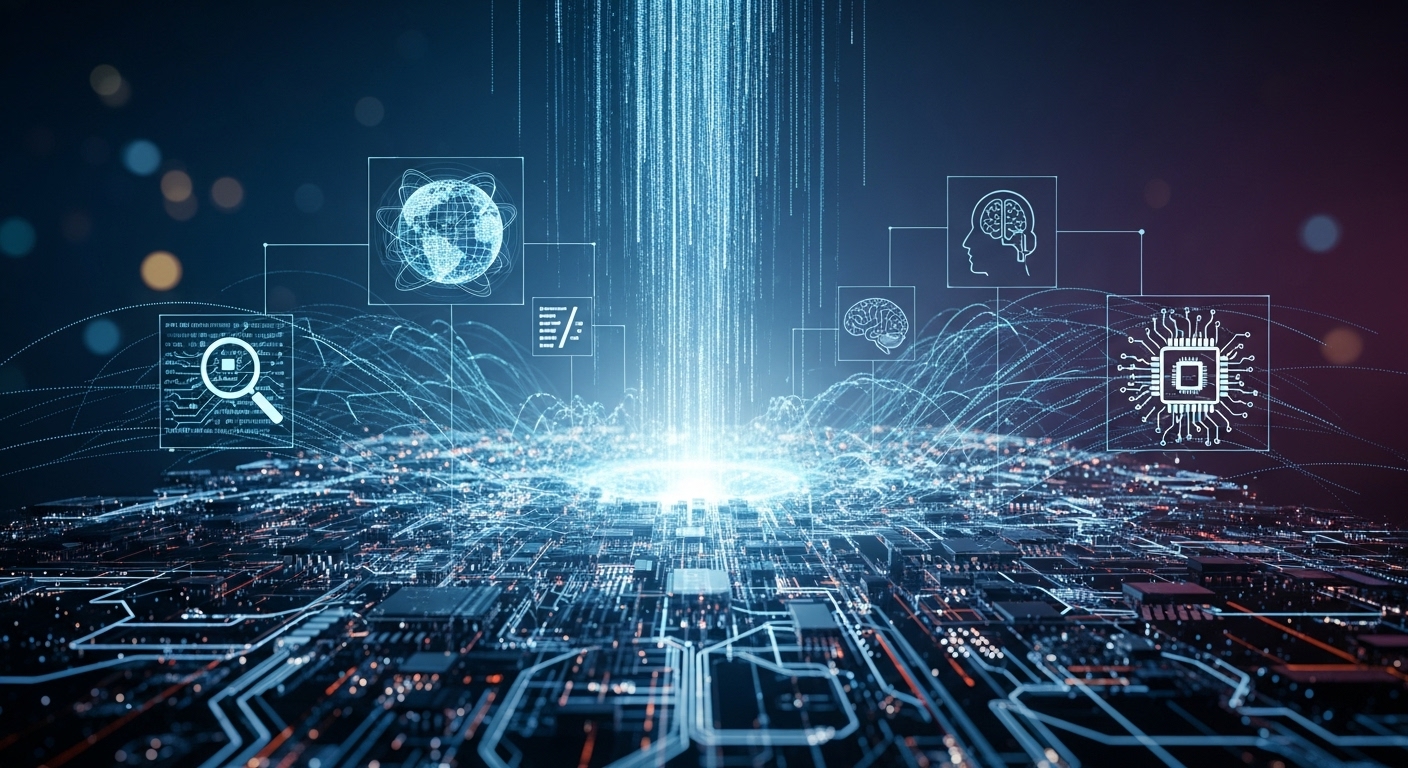
One of the most exciting and impactful areas of technological development is artificial intelligence (AI) and machine learning (ML). These two fields are closely related but distinct. AI refers to machines or systems that are designed to perform tasks that would normally require human intelligence, such as understanding speech, recognizing images, or making decisions. Machine learning is a subset of AI that focuses on algorithms that allow systems to learn and improve from experience, without explicit programming.
The potential applications of AI and ML are vast, and their impact is already being felt in several sectors. In healthcare, AI is being used to assist in diagnostics, drug discovery, and personalized medicine. AI-driven tools can analyze vast amounts of medical data, such as medical imaging and patient records, to detect patterns that would be difficult for human doctors to identify. This could lead to faster and more accurate diagnoses, better treatment outcomes, and more efficient healthcare systems.
In the field of transportation, self-driving vehicles, powered by AI and machine learning algorithms, are already being tested on roads. Autonomous vehicles promise to revolutionize the way we travel, potentially reducing traffic accidents, increasing fuel efficiency, and providing new mobility solutions for people who cannot drive. With advancements in machine learning, these vehicles can learn from their environment and improve their performance over time, making them safer and more reliable.
Beyond healthcare and transportation, AI is beginning to reshape industries like manufacturing, finance, and customer service. Machine learning algorithms are used to optimize production lines, predict stock market trends, and power chatbots that offer customer support. The future will see even more applications of AI, as it continues to evolve and become a central component of various industries.
Quantum Computing: Unleashing New Potential
Quantum computing is another field of technology that is poised to revolutionize the future. Unlike classical computers, which use bits to process information in binary (0s and 1s), quantum computers use quantum bits, or qubits, which can exist in multiple states simultaneously. This allows quantum computers to process information exponentially faster than traditional computers and solve problems that are currently beyond the reach of classical systems.
While quantum computing is still in its early stages, it holds enormous potential for fields such as cryptography, materials science, and artificial intelligence. For instance, in cryptography, quantum computers could break current encryption algorithms, which would have significant implications for digital security. On the flip side, quantum computers could also lead to the development of more secure encryption methods, which would be virtually impossible to crack using classical computers.
In materials science, quantum computing could enable the simulation of complex molecular structures and chemical reactions. This could lead to breakthroughs in areas such as drug discovery, where scientists would be able to design new medicines more efficiently and accurately. Quantum computing could also accelerate advancements in clean energy, as researchers could simulate and optimize energy systems at the atomic level.
Though quantum computing is still in its infancy, companies like Google, IBM, and Intel are making significant strides in developing quantum hardware. While it may take decades before quantum computers become mainstream, their potential to solve some of the world’s most challenging problems makes them a key area of focus for researchers and developers.
The Internet of Things: A Connected World
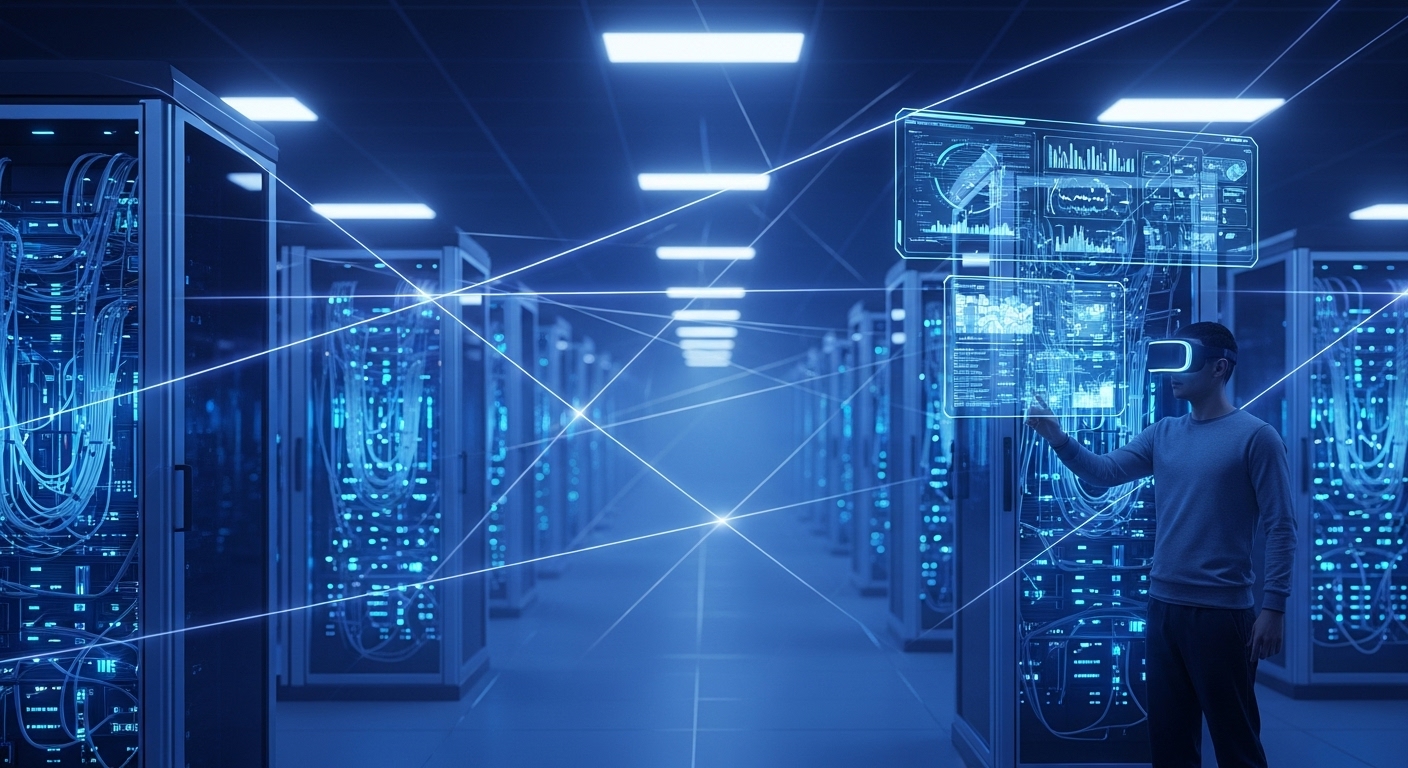
The Internet of Things (IoT) refers to the network of physical devices, vehicles, appliances, and other items embedded with sensors, software, and connectivity that allows them to collect and exchange data. The IoT has already begun to change the way we interact with the world around us. From smart home devices like thermostats and lights to wearable health trackers and industrial machinery, IoT devices are becoming an integral part of our daily lives.
As the number of connected devices continues to grow, the IoT will enable a level of automation and intelligence that was previously unimaginable. For example, in smart homes, IoT devices can communicate with each other to optimize energy usage, improve security, and create more convenient living environments. Imagine a home where the lights adjust based on your preferences, the thermostat sets itself to the ideal temperature before you arrive, and appliances send notifications when maintenance is required.
In healthcare, the IoT is transforming the way patients are monitored and treated. Wearable devices can track vital signs in real-time, alerting doctors and patients to potential issues before they become critical. In industries like manufacturing and logistics, IoT devices enable real-time tracking of goods, machinery, and inventory, leading to more efficient operations and reduced downtime.
However, the growing number of connected devices also raises concerns about data security and privacy. As more and more personal and sensitive data is collected by IoT devices, ensuring that this data is protected becomes increasingly important. The IoT ecosystem will need to incorporate robust security protocols to safeguard against potential cyberattacks and breaches.
Biotechnology and Healthcare: Enhancing Human Life
Biotechnology is one of the most promising fields of technological innovation, with the potential to revolutionize healthcare and improve human life in profound ways. Advances in genetic engineering, gene editing, and personalized medicine are opening new doors for the treatment of diseases and the enhancement of human health.
Gene editing technologies like CRISPR-Cas9 have already shown promise in treating genetic disorders. By editing the DNA of living organisms, scientists can correct genetic mutations that cause diseases like sickle cell anemia and cystic fibrosis. In the future, gene editing could be used to treat a wide range of genetic conditions, potentially curing diseases before they even develop.
Personalized medicine, which tailors medical treatments to an individual’s genetic makeup, is another area where biotechnology is making strides. Rather than taking a one-size-fits-all approach to treatment, personalized medicine allows doctors to prescribe drugs and therapies that are more effective and less likely to cause adverse side effects.
Biotechnology also holds the key to extending human life. Stem cell research, regenerative medicine, and advances in anti-aging technologies have the potential to slow the aging process and repair damaged tissues and organs. While much of this research is still in the experimental stage, the possibilities for enhancing human longevity are vast.
Renewable Energy: Powering a Sustainable Future
As the global population grows and the effects of climate change become more pronounced, the need for sustainable energy solutions is more urgent than ever. Renewable energy technologies, including solar, wind, and geothermal power, are crucial to reducing our reliance on fossil fuels and mitigating the impacts of climate change.
Solar energy has seen remarkable advances in recent years. The cost of solar panels has dropped significantly, making solar power more affordable and accessible for individuals and businesses alike. Solar farms are now capable of generating large amounts of electricity, and innovations in energy storage technologies are helping to overcome the intermittency issues associated with solar power.
Wind energy is another renewable resource that is rapidly expanding. Wind turbines, both onshore and offshore, are becoming more efficient and cost-effective. Offshore wind farms, in particular, have the potential to generate massive amounts of electricity, especially in regions with strong wind resources.
The future of energy will likely see a mix of renewable energy sources, combined with innovations in energy storage and smart grids. Energy storage technologies, such as advanced batteries, will play a critical role in ensuring a steady supply of power, even when the sun isn’t shining or the wind isn’t blowing. Smart grids, which use digital technology to monitor and manage the distribution of electricity, will help to optimize energy use and reduce waste.
Ethical Challenges and the Impact of Technology on Society
While technology offers tremendous potential, it also raises significant ethical challenges. As we develop new technologies, we must consider their impact on society and address issues such as privacy, security, and inequality.
One of the key ethical concerns is the potential for technology to exacerbate existing social inequalities. For example, AI and automation could lead to job displacement, particularly in industries that rely on routine tasks. Governments and businesses will need to work together to ensure that workers are retrained for new jobs in the tech-driven economy.
Another issue is the potential for surveillance and loss of privacy. As technologies like facial recognition and AI-powered surveillance systems become more widespread, there is a risk that individuals’ privacy will be infringed upon. Striking a balance between security and privacy will be essential as we continue to develop and deploy these technologies.
Additionally, there are concerns about the ethical use of AI, particularly in areas like military applications and decision-making. The development of autonomous weapons and AI systems that make decisions without human intervention raises questions about accountability and control. Ensuring that AI is used responsibly and ethically will require ongoing dialogue and regulation.
Conclusion: Embracing the Future of Technology
The future of technology holds immense promise, with innovations that have the potential to transform every aspect of our lives. From artificial intelligence and quantum computing to renewable energy and biotechnology, the technological advancements on the horizon are exciting and far-reaching. However, with these advancements come challenges that must be addressed to ensure that technology is used in ways that benefit society as a whole.
As we move into this new era, it is crucial that we approach technology with both optimism and caution. We must embrace its potential to improve lives, while remaining mindful of the ethical, social, and economic implications. By doing so, we can ensure that the future of technology is one that serves humanity, fosters innovation, and helps build a more sustainable and equitable world.