Technology is more than just an invention or a tool; it is the reflection of human imagination, curiosity, and the never-ending drive to evolve. From the earliest stone tools to artificial intelligence that can reason and create, the story of technology is the story of human progress itself. In today’s world, it is impossible to separate daily life from the vast web of technologies that surround us. Every industry, every home, and even our individual habits have been shaped by digital transformation. This era is not just about innovation; it is about redefinition—how humanity continues to reinvent itself through the power of technology.
The Birth of the Digital Era
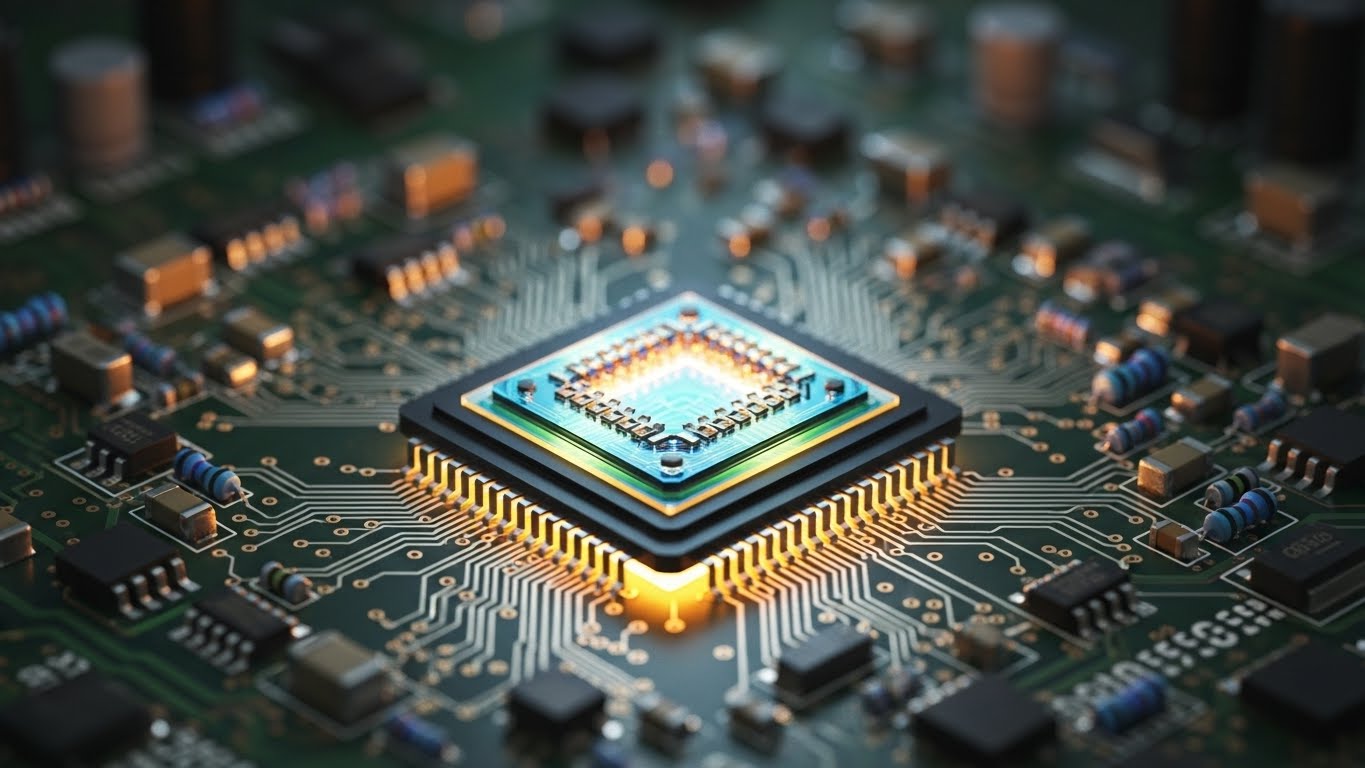
The roots of modern technology go back to the mid-20th century when computers were first developed. What started as massive machines used for basic calculations evolved into powerful systems capable of handling complex data, communication, and control. The introduction of the microprocessor in the 1970s revolutionized computing by shrinking enormous systems into compact devices that could fit on a desk or in a hand.
By the 1990s, the internet emerged as a transformative force. It connected people across the globe, allowing instant communication and access to information. This connectivity gave birth to the digital economy, where ideas, products, and services could be shared without geographical limitations. The internet became the foundation for everything that followed—the rise of mobile devices, social media, cloud computing, and artificial intelligence.
Today, digital technology is woven into every part of life. We live in smart homes, drive intelligent cars, and work in environments powered by automation and data. The pace of change has become so rapid that technological obsolescence can happen in months rather than years.
Artificial Intelligence and the New Frontier of Thinking Machines
Artificial intelligence stands as one of the greatest achievements of human innovation. It represents the ability of machines to learn, reason, and adapt. Early AI systems were limited to simple rule-based logic, but the rise of machine learning and neural networks transformed them into intelligent systems capable of self-improvement.
In business, AI drives analytics that reveal insights hidden in vast datasets. Companies use AI to predict consumer behavior, personalize marketing strategies, and optimize operations. In healthcare, AI assists doctors in diagnosing diseases, analyzing medical images, and predicting patient outcomes. In education, it creates personalized learning paths that adapt to each student’s strengths and weaknesses.
What makes AI extraordinary is not just its computational power but its growing emotional and creative intelligence. Machines can now compose music, generate artwork, and write stories. AI chat systems simulate natural conversation and provide assistance across countless industries. Yet, as AI becomes more integrated into society, ethical questions arise. Who is responsible for the decisions AI makes? How do we prevent bias in algorithms? These challenges highlight the need for responsible innovation—a balance between progress and accountability.
The Rise of Automation and Smart Systems
Automation has become a defining feature of the modern technological landscape. From industrial robots in manufacturing to autonomous vehicles on roads, automation enhances productivity, efficiency, and precision. Factories are now equipped with smart systems that monitor performance, predict maintenance needs, and adjust operations in real time.
In agriculture, drones and sensors optimize crop management by providing data on soil conditions, moisture levels, and pest activity. In logistics, automated warehouses powered by robots process millions of orders daily. Even in homes, smart appliances handle everything from temperature control to grocery management.
Automation’s power lies in its ability to free humans from repetitive and dangerous tasks. However, it also reshapes the workforce. As machines take over manual roles, the demand for digital skills grows. Workers must adapt by learning to collaborate with technology rather than compete against it. The future of work will be defined not by job elimination, but by job evolution—where creativity, emotional intelligence, and problem-solving take center stage.
Cloud Computing and the Power of Connectivity
One of the most transformative developments in recent years is cloud computing. It allows users and businesses to store, access, and process data remotely, removing the need for physical storage devices. The cloud has democratized technology, enabling startups and small organizations to access the same computing resources once reserved for tech giants.
Cloud computing powers everything from streaming platforms to enterprise software. It provides scalability, flexibility, and cost-efficiency. Data can be shared and collaborated on in real time, regardless of location. This interconnected infrastructure has made global collaboration possible and accelerated innovation in every field.
As technology becomes more complex, the cloud also enables integration between artificial intelligence, the Internet of Things, and big data analytics. It is the invisible backbone of the modern digital ecosystem—supporting mobile apps, smart devices, and autonomous systems that define daily life.
The Internet of Things and the Age of Smart Living
The Internet of Things, or IoT, is the concept of connecting everyday objects to the internet, allowing them to send and receive data. What once sounded like science fiction is now a common reality. Smart thermostats learn user preferences, wearable fitness trackers monitor health metrics, and voice assistants manage household tasks with simple commands.
In industries, IoT has redefined efficiency. Sensors in factories detect performance issues before they cause breakdowns, while smart grids in cities regulate energy usage to reduce waste. In agriculture, connected devices optimize irrigation and soil management, leading to sustainable farming practices.
IoT creates a world where data is constantly flowing, turning information into action. The result is greater convenience, efficiency, and awareness. Yet, as our devices become more connected, cybersecurity and privacy become more critical than ever. Protecting personal data and ensuring secure communication channels are vital to maintaining trust in a connected world.
The Digital Transformation of Healthcare
Technology has changed medicine in ways that were unimaginable only decades ago. The fusion of digital tools and medical science has given rise to telemedicine, wearable health devices, and AI-powered diagnostics. These innovations bring healthcare closer to patients, making it more accessible and efficient.
Telemedicine allows people to consult with doctors without leaving their homes. Remote monitoring devices track vital signs and send alerts to healthcare providers when abnormalities arise. Robotic surgery systems enable precision procedures that reduce recovery times and improve outcomes.
Beyond treatment, technology supports research and discovery. Genetic sequencing and data analytics help scientists understand diseases at a molecular level, paving the way for personalized medicine. By analyzing vast amounts of patient data, researchers can identify patterns that lead to breakthroughs in prevention and care.
Healthcare technology not only saves lives but also transforms the relationship between doctors and patients. It empowers individuals to take control of their own health while giving professionals the tools to make more accurate and timely decisions.
Sustainability and the Role of Green Technology
As technology advances, so does its potential to address environmental challenges. Green technology focuses on developing sustainable solutions that reduce pollution, conserve resources, and promote renewable energy. The transition to electric vehicles, the rise of solar and wind energy, and innovations in recycling technology are just a few examples of how science and engineering are shaping a cleaner future.
Smart cities use data to optimize energy consumption, reduce traffic congestion, and manage waste efficiently. In construction, eco-friendly materials and 3D printing techniques minimize environmental impact. Even in agriculture, sustainable practices supported by technology reduce water usage and increase yield while maintaining soil health.
The concept of a circular economy—where products and materials are reused rather than discarded—is gaining traction. Digital tracking systems help companies monitor resources from production to disposal, ensuring responsible manufacturing and consumption. Through green innovation, technology is becoming both the problem-solver and the guardian of our planet.
Cybersecurity in the Digital Age
The more connected the world becomes, the greater the need for cybersecurity. Every device, application, and network represents a potential entry point for malicious activity. Cyberattacks have evolved from simple viruses to complex systems that can disrupt entire infrastructures. Protecting data and systems is now one of the biggest challenges facing individuals, businesses, and governments.
Modern cybersecurity relies on advanced encryption, machine learning, and real-time monitoring. Artificial intelligence detects threats faster than humans, identifying unusual patterns and blocking attacks before they cause damage. However, cybersecurity is not just about technology—it also depends on awareness and responsible behavior.
With so much personal and financial information stored online, users must understand the importance of data protection. Strong passwords, regular updates, and secure connections are the first lines of defense in an ever-changing digital battlefield.
Technology in Education and Learning
The role of technology in education has transformed how people learn and teach. Traditional classrooms are now supplemented—or even replaced—by digital platforms that allow students to learn at their own pace. Online courses, virtual classrooms, and educational apps bring knowledge to anyone with an internet connection.
Interactive learning tools use gamification and visualization to make complex concepts more engaging. Artificial intelligence personalizes education by identifying areas where students struggle and adapting content accordingly. Virtual reality creates immersive environments where learners can explore subjects such as history, science, and engineering in a hands-on manner.
Technology also bridges global gaps, allowing teachers and students from different parts of the world to collaborate. It promotes inclusivity and accessibility, giving opportunities to those who might otherwise lack access to quality education. However, digital literacy—understanding how to use technology responsibly and effectively—is essential to ensuring that these benefits are universally shared.
The Future of Computing and Human Interaction
The next phase of technological evolution will blur the boundaries between humans and machines even further. Quantum computing promises to solve problems too complex for today’s supercomputers. Augmented reality and virtual reality will merge digital experiences with the physical world, transforming how we work, play, and communicate.
Brain-computer interfaces could enable direct interaction between the human mind and technology, unlocking new possibilities in medicine, communication, and creativity. These advancements will redefine what it means to be human in a world where biological and digital intelligence coexist.
At the same time, ethical considerations will grow increasingly important. How do we ensure technology enhances humanity rather than controls it? How do we balance innovation with morality, speed with safety, and freedom with responsibility? These are the questions that will shape the technological future.
The Human Side of Technology
Behind every machine, every program, and every device lies human intention. Technology is not a force of nature—it is a creation of people seeking to improve their world. It amplifies our strengths, exposes our weaknesses, and mirrors our values. When used wisely, it can solve problems, inspire creativity, and connect humanity across boundaries.
But when misused, it can divide, manipulate, or harm. The responsibility for how technology shapes the future rests not in the machines themselves but in the minds that build and govern them. The next generation of innovators must remember that progress is not measured by what technology can do, but by how it serves humanity.
Conclusion
Technology is a living story—one that evolves with every discovery and invention. It is both the architect and the result of human ambition. From the simplest tools to artificial intelligence and quantum computing, it represents the endless pursuit of betterment. Each era builds upon the last, pushing boundaries that once seemed unreachable.
As we move deeper into the digital age, we must remember that technology is not separate from humanity—it is a reflection of it. Every new innovation carries both potential and responsibility. The future will not be shaped solely by technological capability but by the wisdom with which we use it.
In the grand journey of human progress, technology remains our greatest ally and our most powerful challenge. It has the power to transform the world, but its true purpose lies in uplifting the people who inhabit it. The story of technology is, and always will be, the story of humanity’s endless desire to create, connect, and evolve.