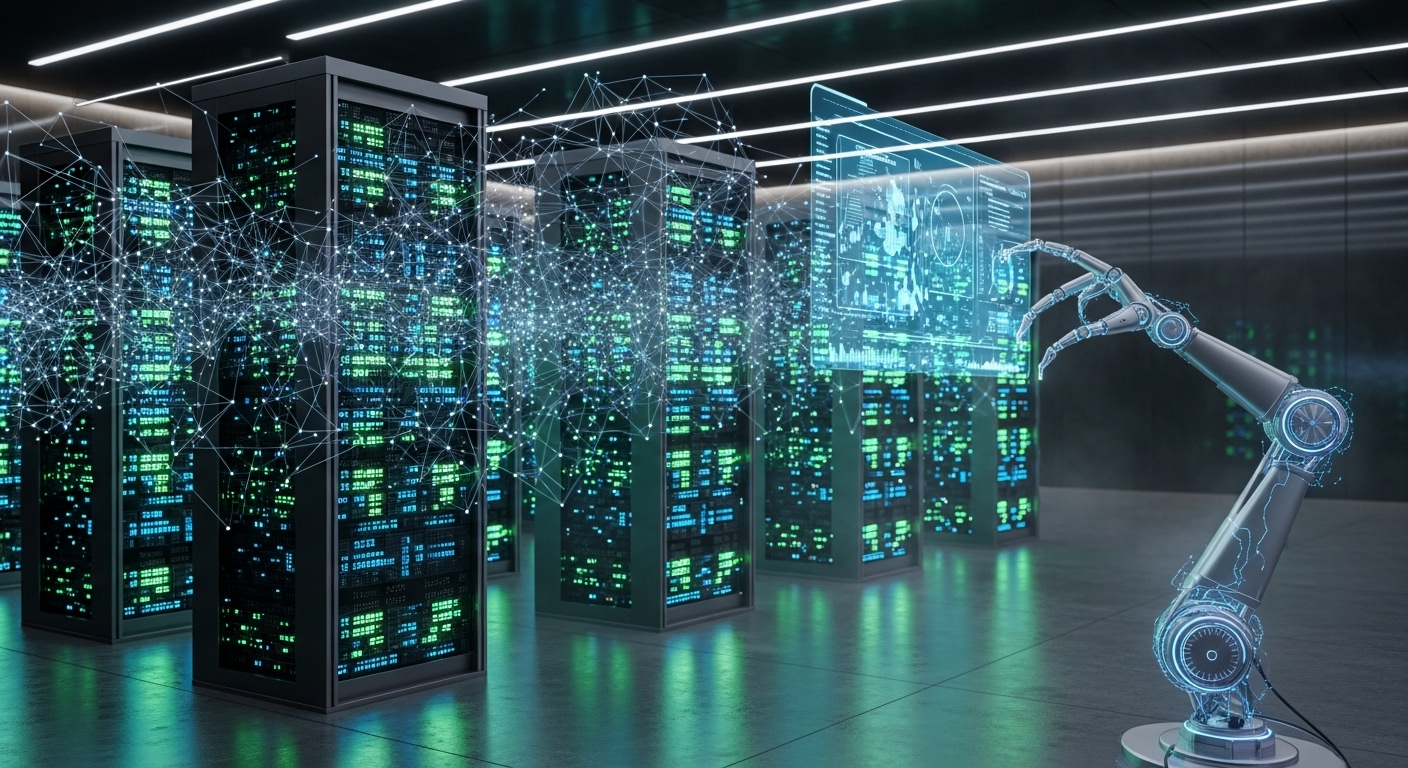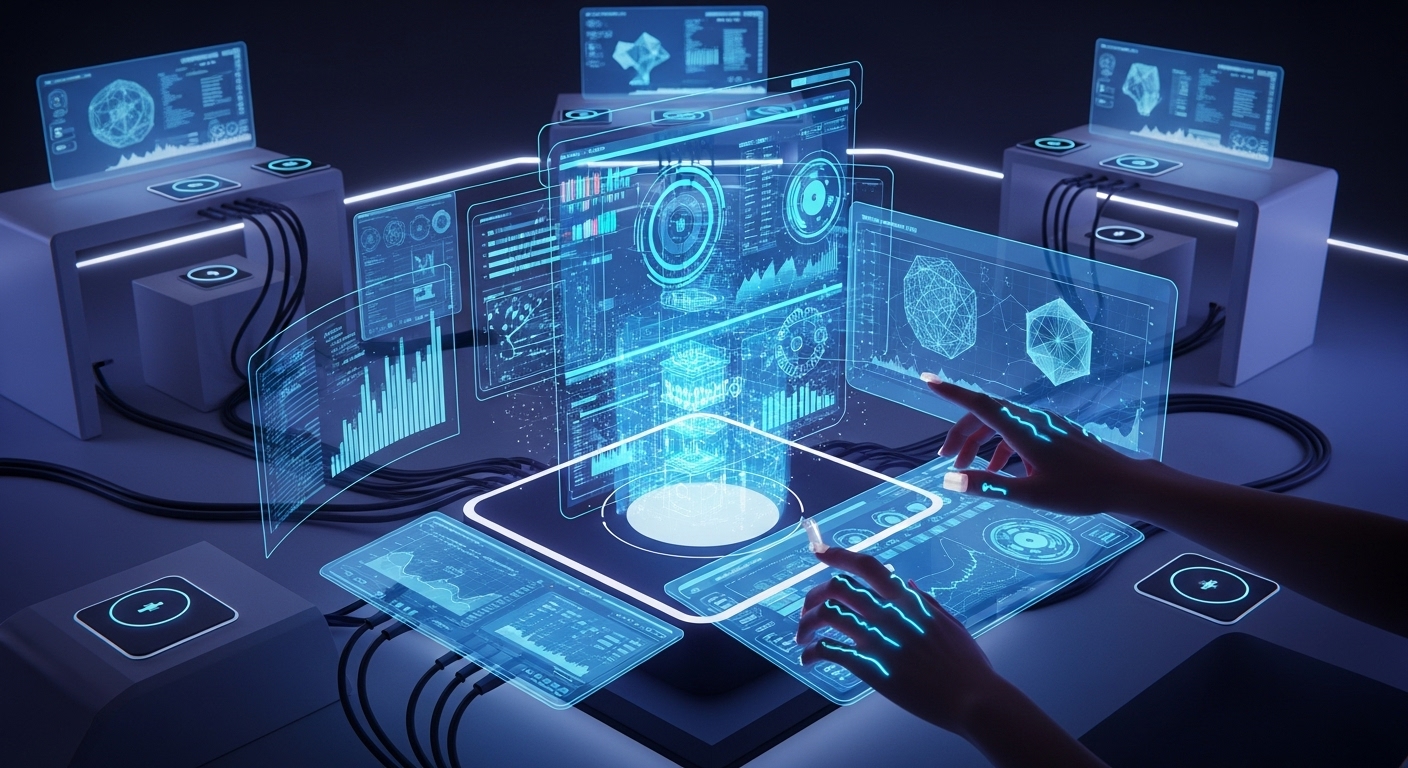
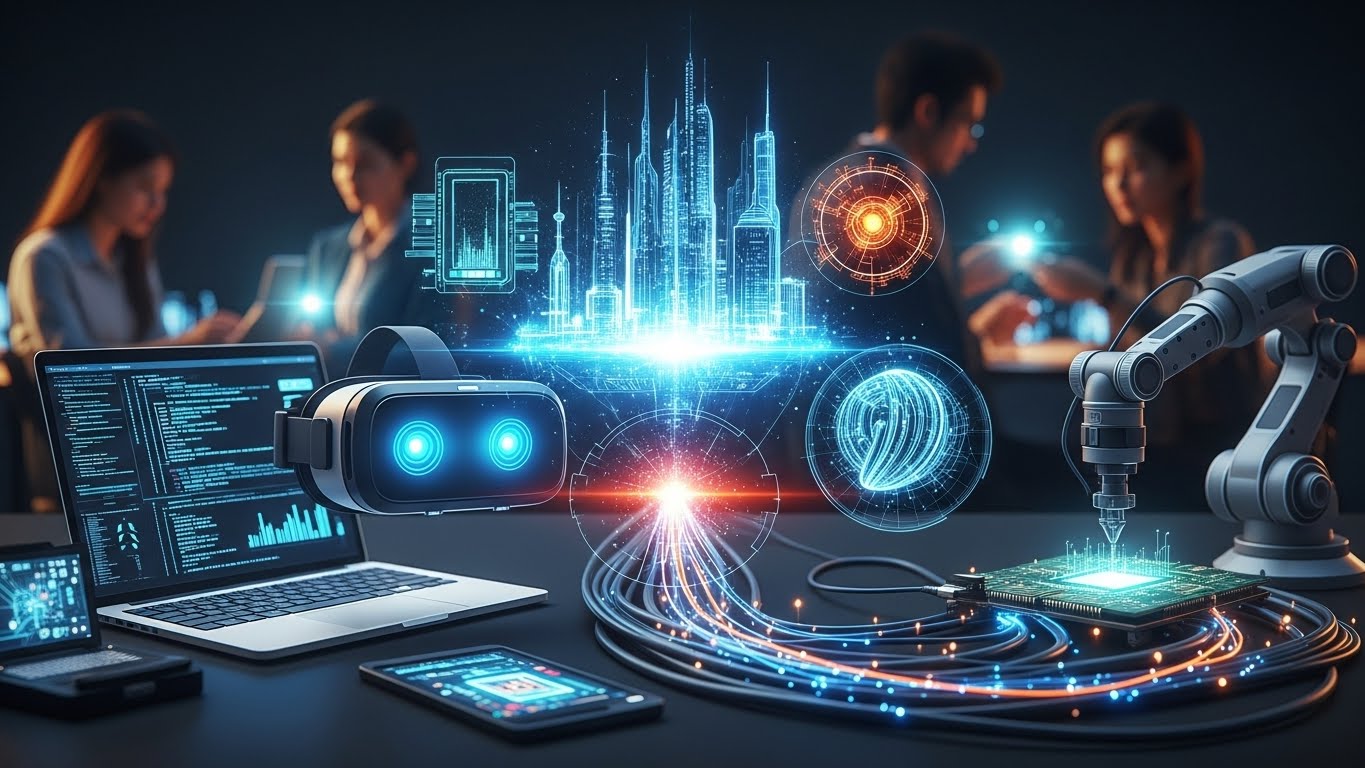
Technology has always been a defining force in human history, driving progress and reshaping the way we live. From the invention of the wheel to the rise of the internet, each technological leap has fundamentally transformed society. Today, we stand at the threshold of a new era: the age of intelligent technology. Artificial intelligence (AI), machine learning, and smart automation are not just buzzwords—they are the driving forces behind innovations that are changing the world as we know it.
The Rise of Artificial Intelligence
Artificial intelligence, once the subject of science fiction, has rapidly moved into the mainstream. AI refers to the capability of machines to perform tasks that typically require human intelligence, including learning, problem-solving, decision-making, and language understanding. The integration of AI into everyday life is evident in smart assistants, recommendation engines, autonomous vehicles, and even healthcare diagnostics.
One of the key factors driving AI’s rise is the exponential growth in computing power. Modern processors and graphics processing units (GPUs) allow AI systems to analyze massive datasets with speed and accuracy that humans cannot match. Alongside this, advancements in algorithms—especially deep learning—have enabled machines to recognize patterns, translate languages, and even generate content in ways that were unimaginable a decade ago.
Machine Learning: Teaching Computers to Learn
Machine learning, a subset of AI, focuses on teaching computers to learn from data rather than relying solely on pre-programmed instructions. In practice, this means that the more data a system consumes, the better it becomes at performing a specific task. For example, recommendation engines on streaming platforms analyze viewing patterns to predict which shows or movies a user might enjoy.
Machine learning is also revolutionizing industries like finance, healthcare, and transportation. Predictive models can detect fraud in real time, assist doctors in diagnosing complex conditions, and optimize logistics for supply chains. The ability to learn from past experiences allows AI systems to continually improve, creating a cycle of innovation that accelerates technological progress.
Automation: Redefining the Workplace
Automation has been a part of industrial progress for decades, but intelligent automation is taking it to a new level. By combining AI with robotics and data analytics, businesses can automate complex processes that once required human intervention. This includes everything from customer service chatbots to sophisticated manufacturing operations.
The implications of automation are profound. On one hand, it increases efficiency, reduces errors, and lowers operational costs. On the other hand, it raises questions about employment and the future of work. As routine and repetitive tasks become automated, workers must adapt by developing skills that complement technology, such as creative problem-solving, emotional intelligence, and strategic thinking.
The Internet of Things: Connecting Everything
The Internet of Things (IoT) represents a shift from isolated devices to interconnected ecosystems. IoT devices—ranging from smart thermostats to industrial sensors—collect and share data across networks, enabling smarter decision-making and automation. This connectivity transforms how we interact with technology, making our environments more responsive and adaptive.
In smart cities, IoT technology can optimize traffic flow, reduce energy consumption, and enhance public safety. In homes, it provides convenience and energy efficiency by learning user preferences. The integration of AI with IoT, often called AIoT, adds an additional layer of intelligence, allowing devices not only to collect data but to act on it in real time.
Ethical Considerations in Technology
As technology becomes more intelligent and pervasive, ethical considerations take center stage. AI systems can perpetuate biases present in training data, and autonomous systems must make complex decisions that can have real-world consequences. Privacy is another critical concern, as the collection of personal data grows exponentially.
Tech companies and policymakers are increasingly focused on developing ethical frameworks and regulations to guide the development and deployment of AI. Transparency, accountability, and fairness are key principles that ensure technology benefits society rather than harming it. Users also play a role by being aware of how their data is used and advocating for responsible technology practices.
The Role of Big Data
Big data is the backbone of modern technology. The vast volumes of data generated every second—from social media interactions to sensor readings—provide the fuel for AI and machine learning systems. By analyzing this data, businesses can gain insights into consumer behavior, optimize operations, and predict future trends.
However, big data comes with challenges. Storage, processing, and data quality are ongoing concerns. Moreover, the sheer scale of data collection raises questions about consent, security, and ownership. Successfully leveraging big data requires not only sophisticated technology but also robust governance practices to ensure accuracy, integrity, and ethical use.
Cloud Computing: Powering the Digital Age
Cloud computing has transformed how businesses and individuals access and utilize technology. By offering scalable, on-demand computing resources over the internet, cloud platforms eliminate the need for extensive local infrastructure. This has democratized access to powerful computing, enabling startups, researchers, and enterprises to innovate rapidly.
Cloud services support AI, big data analytics, and IoT by providing the computational power needed to process complex tasks. They also enhance collaboration and accessibility, allowing teams to work seamlessly from anywhere in the world. Security and reliability remain top priorities, as sensitive data and critical applications increasingly rely on cloud infrastructure.
Emerging Technologies to Watch
The pace of technological innovation shows no signs of slowing. Several emerging technologies are poised to have a significant impact in the coming years. Quantum computing promises to solve problems that are currently beyond the reach of classical computers. Edge computing brings data processing closer to the source, reducing latency and enabling real-time applications. Virtual reality (VR) and augmented reality (AR) are transforming entertainment, education, and professional training.
Blockchain technology, while widely associated with cryptocurrencies, has potential applications in supply chain management, digital identity, and secure data sharing. Each of these technologies interacts with AI in unique ways, creating a complex ecosystem where innovations reinforce and accelerate each other.
Preparing for a Technological Future
The rapid advancement of technology requires individuals, businesses, and governments to adapt. Lifelong learning and continuous skill development are essential for navigating an AI-driven world. Critical thinking, creativity, and emotional intelligence will complement technical skills, allowing humans to work alongside intelligent systems effectively.
Organizations must embrace innovation while maintaining ethical standards and social responsibility. Policymakers need to strike a balance between fostering technological growth and protecting citizens from potential harms. Society as a whole benefits when technology is guided by human values and used to solve real-world challenges.
Conclusion: Embracing Intelligent Technology
We are living in an era of unprecedented technological transformation. Artificial intelligence, machine learning, automation, IoT, and emerging technologies are reshaping industries, societies, and daily life. While these advancements bring immense opportunities, they also pose challenges that must be addressed thoughtfully.
By embracing intelligent technology responsibly, we can create a future that is not only more efficient and innovative but also more equitable and sustainable. The dawn of intelligent technology is not just about machines becoming smarter—it is about humans and machines working together to unlock possibilities that were once unimaginable.