Introduction
We live in an era where technology is not just a tool but a transformative force shaping the very fabric of human existence. From smart homes and wearable devices to artificial intelligence and quantum computing, technological innovation continues to redefine how people live, work, and interact. The impact of technology transcends industries, borders, and cultures, influencing education, healthcare, entertainment, and commerce.
This blog explores the evolution of technology, its groundbreaking innovations, societal impact, ethical considerations, and the future possibilities that lie ahead. Understanding these trends is crucial for navigating a world that is increasingly driven by intelligent and interconnected systems.
The Origins of Modern Technology
The story of technology is intertwined with human progress. Early humans developed tools, fire, and simple machinery to survive and thrive. The invention of the wheel, agriculture, and metallurgy enabled communities to grow, trade, and innovate. These early technologies laid the foundation for the industrial and digital revolutions that followed.
The Industrial Revolution of the 18th and 19th centuries brought steam engines, mechanized manufacturing, and mass production, which transformed societies. Urbanization increased as people migrated to industrial centers, and economies shifted from agriculture-based to industrial-based models. This era highlighted technology’s ability to reshape economies, labor markets, and lifestyles.
The 20th century introduced electricity, telecommunications, and early computing systems, further accelerating progress. The telephone, radio, and television revolutionized communication, while computers enabled complex calculations and data processing. These innovations set the stage for the digital revolution and the interconnected world we experience today.
The Digital Revolution and Global Connectivity
The late 20th century ushered in the digital revolution, fundamentally changing how information is processed, shared, and utilized. Personal computers became accessible to households, empowering individuals to engage in tasks previously reserved for businesses or research institutions. Software development, programming, and operating systems became crucial to technological innovation.
The rise of the internet connected people across the globe, facilitating communication, commerce, and education. Online platforms enabled e-commerce, social networking, and knowledge sharing, creating a globally connected society. Remote work, cloud computing, and digital collaboration became increasingly common, highlighting the transformative power of technology in everyday life.
Mobile Technology and Smart Devices
The proliferation of smartphones and smart devices has revolutionized communication, productivity, and lifestyle management. Mobile technology integrates internet connectivity, computing, and entertainment into a single portable device. Applications for navigation, banking, social networking, and remote work have become essential tools for daily life.
Advances in wireless networks, including 4G and 5G, have improved data speed, connectivity, and accessibility. Mobile technology has not only transformed personal interaction but also reshaped industries by enabling on-demand services, mobile commerce, and real-time data exchange.
Artificial Intelligence: Redefining Possibilities
Artificial Intelligence has emerged as one of the most transformative forces in technology. AI systems analyze vast datasets, identify patterns, and make decisions, often more efficiently than humans. Machine learning, a subset of AI, allows systems to learn and improve over time, adapting to new information.
AI applications span numerous industries. In healthcare, AI assists in diagnostics, treatment recommendations, and predictive analytics. Finance leverages AI for fraud detection, automated trading, and personalized financial advice. Transportation benefits from autonomous vehicles, traffic optimization, and route planning. AI is also integral to smart assistants, recommendation systems, and customer service automation.
Cloud Computing and the Power of Data
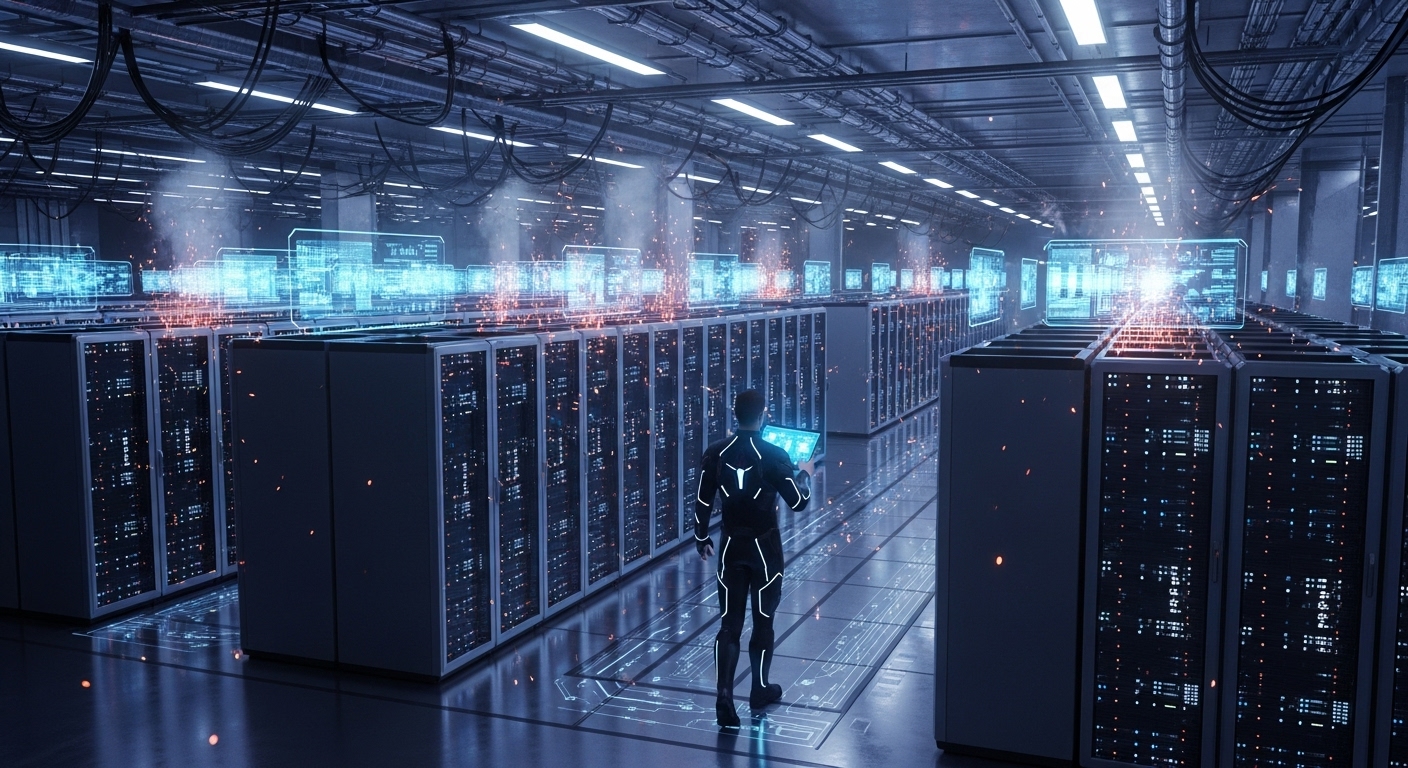
Cloud computing has revolutionized how organizations store, manage, and access data. By shifting from local servers to cloud infrastructure, businesses gain scalable, flexible, and cost-efficient solutions for computing needs. Cloud platforms enable global collaboration, remote work, and continuous access to information.
Big data analytics complements cloud computing by allowing organizations to extract actionable insights from massive datasets. Companies leverage big data to understand consumer behavior, forecast trends, and optimize operations. In science, healthcare, and urban planning, big data drives research, innovation, and informed decision-making.
The Internet of Things and Smart Environments
The Internet of Things connects devices, appliances, and systems through the internet, enabling them to communicate and act autonomously. IoT technology transforms homes, workplaces, and cities. Smart home devices, including thermostats, lighting systems, and security cameras, enhance convenience, energy efficiency, and safety.
In industrial settings, IoT monitors machinery, predicts maintenance requirements, and optimizes production efficiency. Healthcare uses IoT devices such as wearables to track vital signs, monitor patient health remotely, and facilitate preventive care. IoT enables a hyper-connected environment, where systems respond intelligently to real-time data.
Virtual Reality and Augmented Reality
Virtual Reality immerses users in fully digital environments, while Augmented Reality overlays digital information onto real-world contexts. Both technologies are reshaping entertainment, education, and professional training.
VR offers immersive gaming experiences, interactive storytelling, and realistic simulations for skill development. AR enhances navigation, retail, industrial design, and educational experiences by integrating digital content with physical spaces. These technologies provide new avenues for engagement, learning, and professional application.
Robotics and Automation
Robotics has transformed manufacturing, logistics, healthcare, and service sectors. Industrial robots perform repetitive tasks with precision, increasing productivity and reducing errors. Service robots assist with surgery, cleaning, delivery, and customer interaction, improving efficiency and safety.
Automation reshapes labor markets by replacing repetitive tasks while creating opportunities in programming, maintenance, and robotics engineering. Human-robot collaboration combines the strengths of both, optimizing workflows and enhancing productivity.
Biotechnology and Healthcare Innovations
Technological advances in biotechnology have revolutionized healthcare. Gene editing, wearable devices, and telemedicine enable personalized treatment, efficient diagnosis, and remote patient monitoring. AI accelerates drug discovery, epidemic tracking, and predictive healthcare analytics.
Wearable devices monitor vital signs, sleep patterns, and physical activity, promoting preventive care and wellness. Biotechnology continues to extend human longevity, improve treatment efficacy, and create novel medical solutions.
Cybersecurity and Digital Ethics
As technology becomes central to modern life, cybersecurity is critical. Threats such as hacking, ransomware, and identity theft put individuals and organizations at risk. Security measures, including encryption, multi-factor authentication, and monitoring, protect digital infrastructure.
Ethical concerns include data privacy, responsible AI deployment, and surveillance. Balancing technological innovation with ethical standards ensures that technology benefits society while protecting individual rights.
Education in a Technology-Driven World
Technology has transformed education, making learning more interactive, personalized, and accessible. Online courses, virtual classrooms, and collaborative tools allow students to learn from anywhere. Educational technology platforms leverage AI, VR, and AR to enhance engagement and tailor learning experiences.
Digital literacy, coding skills, and data analysis have become essential competencies for students preparing for careers in technology-driven industries. Integrating emerging technologies into education fosters problem-solving, creativity, and adaptability.
Sustainable Technology and Environmental Responsibility
Sustainability is central to modern technological development. Innovations in renewable energy, smart grids, and eco-friendly systems aim to reduce environmental impact. Green technology addresses climate change, resource management, and pollution reduction.
Electric vehicles, solar and wind power, and energy-efficient manufacturing exemplify how technology can balance human development with environmental responsibility. Sustainable technology ensures long-term benefits and supports the creation of resilient communities.
Emerging Trends and the Future of Technology
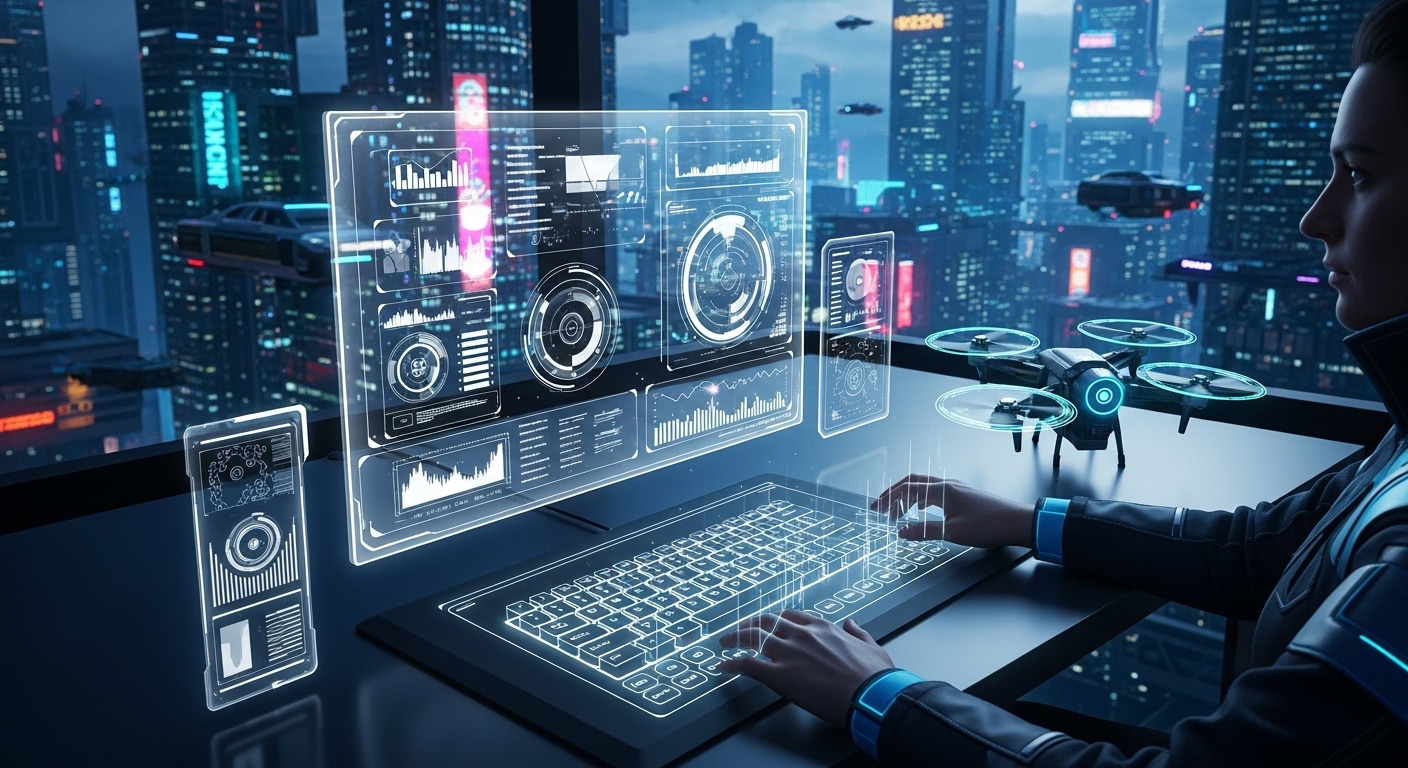
The future of technology promises innovations that were once unimaginable. Quantum computing will enable solutions to problems beyond traditional computing capabilities. Advanced AI will continue to enhance automation, prediction, and personalization. Autonomous vehicles, smart cities, and intelligent infrastructure will redefine urban living and transportation.
Human-machine collaboration will become integral to professional and personal life. Ethical governance, inclusivity, and responsible innovation will guide the adoption of emerging technologies. The convergence of creativity, ethics, and advanced systems will shape the next era of human progress.
Conclusion
Technology has evolved from simple tools to hyper-connected systems that touch every aspect of human life. From AI and robotics to IoT, biotechnology, and sustainable innovations, technology demonstrates the transformative power of human ingenuity.
By enhancing efficiency, creating new possibilities, and reshaping industries, technology drives progress while presenting challenges that require ethical management. Ensuring accessibility, sustainability, and responsible innovation will determine how technology benefits humanity in the long term.
The story of technology is one of relentless advancement and human curiosity. Understanding its evolution, current applications, and future potential allows society to harness innovation responsibly, building a connected, intelligent, and sustainable world for generations to come.