Technology is the heartbeat of modern civilization. It shapes the way we live, work, learn, communicate, and even think. From the earliest stone tools to the vast networks of digital systems connecting the world today, humanity’s relationship with technology has always been one of innovation, adaptation, and transformation. Over the past century, the pace of technological progress has accelerated beyond what anyone could have imagined. What once took centuries to evolve now happens within years, sometimes even months.
This blog explores the fascinating journey of technology — where it began, how it evolved, and what lies ahead in the ever-expanding universe of innovation.
The Roots of Human Innovation
Technology did not begin with computers or electricity. It started with human curiosity. Early humans sought ways to make their lives easier — using rocks as tools, fire for warmth, and language to share knowledge. These were the first technologies, primitive yet revolutionary.
Over time, as societies formed and agriculture took root, humans developed tools for farming, irrigation systems for crops, and mechanisms for storing food. The invention of the wheel transformed transportation and trade, while metallurgy allowed for stronger tools and weapons. Each innovation built upon the last, creating a foundation for the technological explosion that would come thousands of years later.
The Birth of Modern Technology: The Industrial Revolution
The Industrial Revolution of the 18th and 19th centuries marked a turning point in human history. Steam engines, textile machines, and factories replaced manual labor, leading to mass production and urbanization. For the first time, machines performed tasks that once required human effort.
This period also gave rise to the concept of mechanical innovation as an industry in itself. Engineers, inventors, and scientists collaborated to improve machinery, transportation, and manufacturing techniques. Railways, telegraphs, and later electricity changed the face of societies across the world. The world became smaller, faster, and more interconnected.
The Industrial Revolution was not just about machines. It was about a shift in mindset — the belief that science and engineering could continuously improve human life. That belief laid the groundwork for the next great leap: the age of digital technology.
The Digital Revolution: Birth of Computing
The 20th century saw the dawn of digital transformation. In the early 1900s, mechanical calculators and punch-card systems began to automate basic data processing. Then came the watershed moment of 1940s — the creation of the first programmable computers. Machines like ENIAC and UNIVAC were massive, filling entire rooms, yet their computing power was less than what a simple smartphone possesses today.
In the 1950s and 1960s, transistors replaced bulky vacuum tubes, leading to smaller and faster machines. The invention of the microprocessor in the 1970s revolutionized computing forever. Suddenly, computers could fit on desks, and by the 1980s, they began entering homes. Companies like IBM, Apple, and Microsoft played crucial roles in this transformation, shaping personal computing and software ecosystems.
The digital revolution was not just technological — it was cultural. It changed how people worked, stored information, and communicated. The typewriter gave way to the word processor. Libraries began to digitize knowledge. Data became the new currency.
The Rise of the Internet: Connecting the World
No invention in the late 20th century had as profound an impact as the internet. What began as a military communication network in the 1960s evolved into a global system connecting billions. By the 1990s, the World Wide Web transformed computers into gateways of information.
Email replaced letters. Online chat rooms created communities. Search engines gave instant access to knowledge once buried in libraries. The internet democratized information and created new industries — e-commerce, online education, and digital marketing among them.
The rise of smartphones in the 2000s extended the internet’s reach to every pocket. Information was no longer tied to desks; it moved with people. Apps replaced physical stores and offices, and social media redefined communication and relationships.
The world became a digital village — interconnected, interdependent, and driven by data.
The Mobile Revolution: Computing on the Go
While the internet connected people, mobile technology made that connection constant. The introduction of smartphones, starting with early models like the BlackBerry and evolving with the iPhone, changed everything.
The smartphone was more than a phone — it was a personal computer, camera, music player, and library in one device. It gave rise to the “app economy,” allowing developers to create software for every conceivable purpose. Navigation, food delivery, social networking, fitness tracking, and mobile banking became part of daily life.
This era also saw the rise of cloud computing. Instead of storing files locally, users could access data from anywhere. This shift to the cloud made collaboration easier and allowed businesses to scale rapidly without massive physical infrastructure.
The mobile revolution transformed not just how people use technology but also how they think about it. Technology became intimate — part of human identity and behavior.
Artificial Intelligence: The Age of Thinking Machines
As computing power increased, so did the ambition of what technology could achieve. Artificial Intelligence (AI), once a concept confined to science fiction, became reality. AI refers to machines that can learn, reason, and adapt — mimicking human intelligence.
Early AI systems could only perform narrow tasks, like playing chess or recognizing speech. But with advances in machine learning and neural networks, AI evolved rapidly. Today, it powers everything from search engines to recommendation systems, autonomous vehicles, medical diagnosis, and language translation.
AI represents the next stage of human-technology symbiosis. It allows machines not just to execute instructions but to analyze vast data sets, recognize patterns, and make decisions. The implications are enormous. Businesses can predict consumer behavior. Doctors can identify diseases earlier. Cities can manage traffic more efficiently.
However, the rise of AI also raises questions about ethics, privacy, and employment. As machines become capable of performing complex cognitive tasks, what happens to human roles in society? The challenge for the future will not be stopping AI but integrating it responsibly.
Automation and Robotics: Redefining Labor
Automation began in factories but now extends to every aspect of life. Robots assemble cars, sort packages, and even deliver food. In offices, software bots handle routine data entry and customer support.
The goal of automation has always been efficiency — producing more with less human input. However, this transformation is not without controversy. Many fear that automation could replace millions of jobs. Yet, history shows that technological revolutions often create new types of work even as they eliminate old ones.
The future of work may involve humans and machines collaborating. Instead of replacing people, technology could augment human abilities — enabling creativity, problem-solving, and innovation on a scale never seen before.
The Era of Big Data: Information as Power
Every click, search, and transaction generates data. Collectively, this data forms an ocean of information that companies, governments, and researchers can analyze to uncover insights.
Big Data has become the new oil — powering decision-making, marketing, healthcare, and governance. With advanced analytics and machine learning, organizations can predict trends, detect fraud, and personalize user experiences.
For example, streaming platforms use data to recommend movies, while retailers optimize inventory based on purchasing patterns. In healthcare, data analysis helps identify disease outbreaks and optimize treatment plans.
Yet, with great data comes great responsibility. Privacy concerns and data security are now central debates in the tech world. Protecting user information while still harnessing data’s power is one of the defining challenges of the digital age.
Cloud Computing: The Invisible Backbone
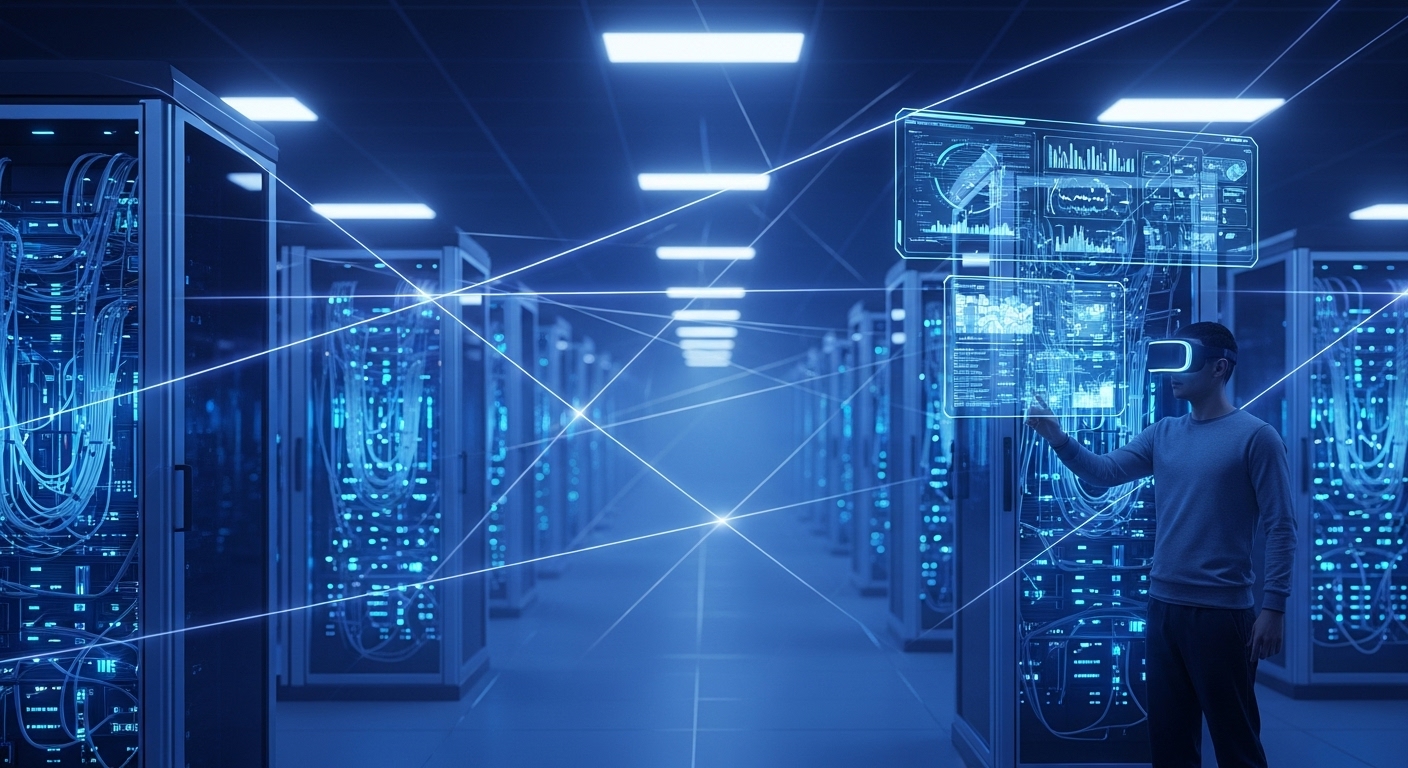
Cloud computing transformed how we store, manage, and access information. It eliminated the need for physical servers in every office or home. Instead, data and applications live on remote servers accessible through the internet.
This shift enabled global collaboration and innovation. Startups can now launch products without massive upfront infrastructure costs. Large corporations can scale effortlessly across continents. Cloud technology also supports critical systems like streaming platforms, AI models, and enterprise software.
The next evolution of the cloud — edge computing — brings processing power closer to where data is generated. This minimizes latency and enhances performance, critical for technologies like self-driving cars and Internet of Things (IoT) devices.
Internet of Things: A Connected Ecosystem
The Internet of Things (IoT) refers to the network of interconnected devices communicating with each other. From smart thermostats and wearable fitness trackers to industrial sensors and autonomous drones, IoT is turning the world into a giant digital ecosystem.
In homes, IoT devices adjust lighting, monitor security, and optimize energy use. In industries, they track machinery performance, predict maintenance needs, and improve safety. Smart cities use IoT systems to manage traffic, waste, and utilities efficiently.
However, as more devices connect, cybersecurity becomes a growing concern. Protecting billions of connected endpoints requires new security models and technologies.
Cybersecurity: The Digital Shield
With technology woven into every part of life, security is more important than ever. Cyberattacks, data breaches, and identity theft have become common threats in the digital world.
Cybersecurity is no longer an afterthought — it’s a fundamental requirement. Governments and businesses invest heavily in encryption, authentication systems, and AI-driven threat detection. The challenge lies in staying ahead of constantly evolving cyber threats.
As digital systems grow more complex, the line between convenience and vulnerability becomes thin. Future innovations must prioritize privacy and protection just as much as performance and functionality.
Emerging Technologies Shaping the Future
The next decade will bring technologies that blur the boundaries between physical and digital realities.
Quantum Computing promises to revolutionize processing power, solving problems that today’s computers cannot handle — from drug discovery to cryptography.
Blockchain Technology offers decentralized systems that enhance transparency, security, and trust. Beyond cryptocurrency, it has applications in finance, healthcare, and supply chain management.
Virtual and Augmented Reality (VR/AR) are transforming entertainment, education, and training. These immersive technologies create experiences that engage the senses and reshape how humans interact with information.
Biotechnology and Genetic Engineering are merging with computing to advance personalized medicine, gene editing, and even synthetic biology. The future could see technology integrated directly with the human body — blurring the line between organic and artificial life.
The Ethical Dimensions of Technology
As technology grows more powerful, ethical questions become unavoidable. Who controls AI decision-making? How should data be used? What happens when machines can outthink humans?
Ethical technology requires transparency, accountability, and inclusivity. Developers and policymakers must ensure that innovation benefits humanity as a whole, not just a privileged few.
Digital literacy is also crucial. As societies become more reliant on technology, people must understand how systems work to make informed choices. Education, regulation, and awareness will shape how responsibly humanity wields its technological power.
The Human Side of Technology
Despite its complexity, technology is ultimately about people. Every breakthrough begins with human imagination and ends with human impact. The tools we create reflect our values, ambitions, and fears.
Technology has the power to unite or divide, empower or exploit. It can amplify voices or silence them. The difference lies in how society chooses to use it.
The greatest technologies of the future will not just be measured in speed or efficiency but in their ability to improve quality of life, promote sustainability, and expand human potential.
The Future Ahead: A World in Transition
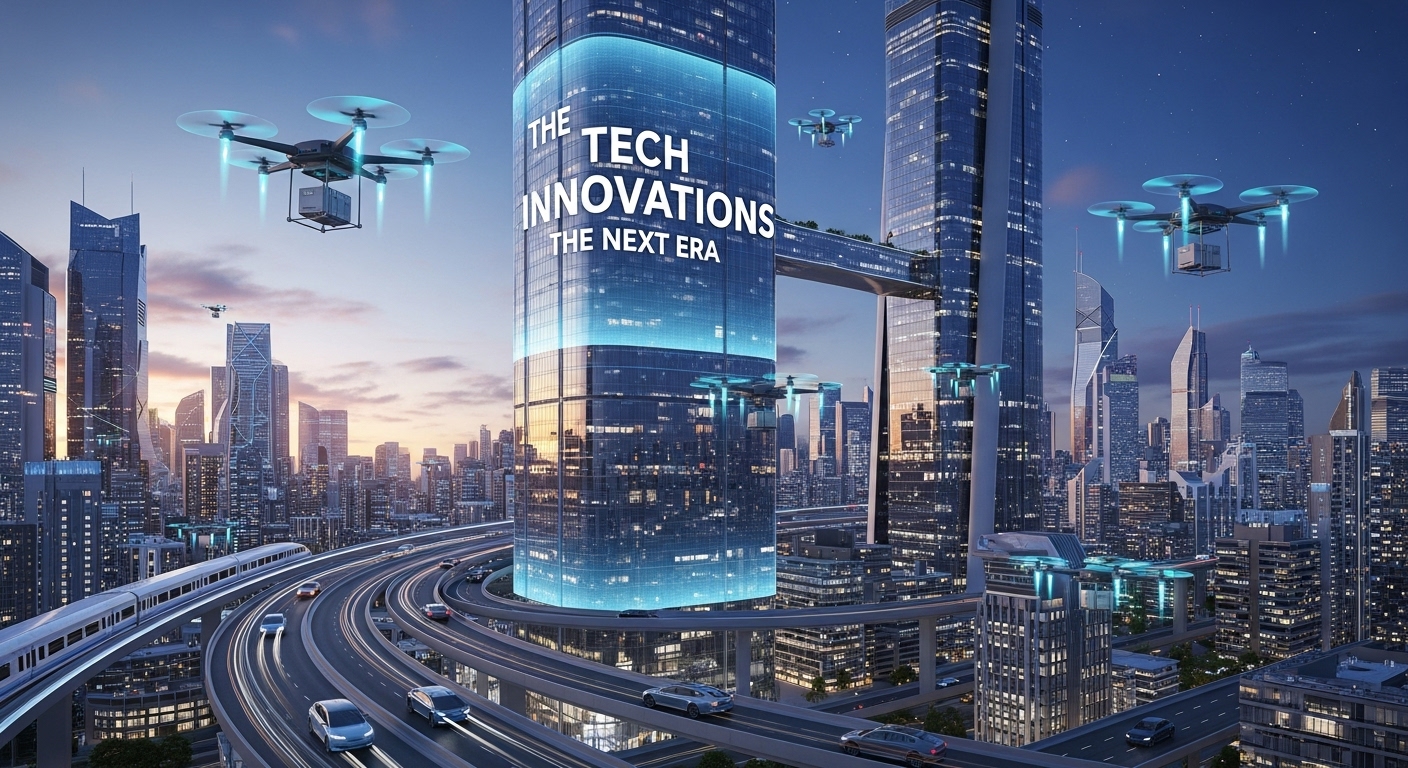
Looking ahead, the next century will likely witness transformations beyond our current comprehension. Artificial general intelligence could emerge, capable of independent thought. Renewable energy technologies may reshape economies and combat climate change. Space exploration could extend human presence beyond Earth.
The future of technology is not predetermined — it is shaped by the choices we make today. As innovation accelerates, balance becomes essential: progress with responsibility, efficiency with ethics, and automation with humanity.
In the end, technology’s greatest potential lies not in replacing humans but in amplifying what makes us unique — creativity, empathy, and the desire to explore.
Conclusion
From the first spark of fire to the glow of digital screens, technology has always been a reflection of human ingenuity. Each generation builds upon the tools of the past, pushing boundaries and redefining what is possible.
We stand today at a crossroads where the physical, digital, and biological worlds converge. The evolution of technology is far from over — it is entering its most exciting phase yet. The question is not whether technology will shape the future, but how we, as its creators and users, will shape it in return.
The story of technology is ultimately the story of humanity — a story of curiosity, courage, and endless innovation. And as long as there are questions to ask and problems to solve, the march of progress will continue, carrying us toward new horizons.