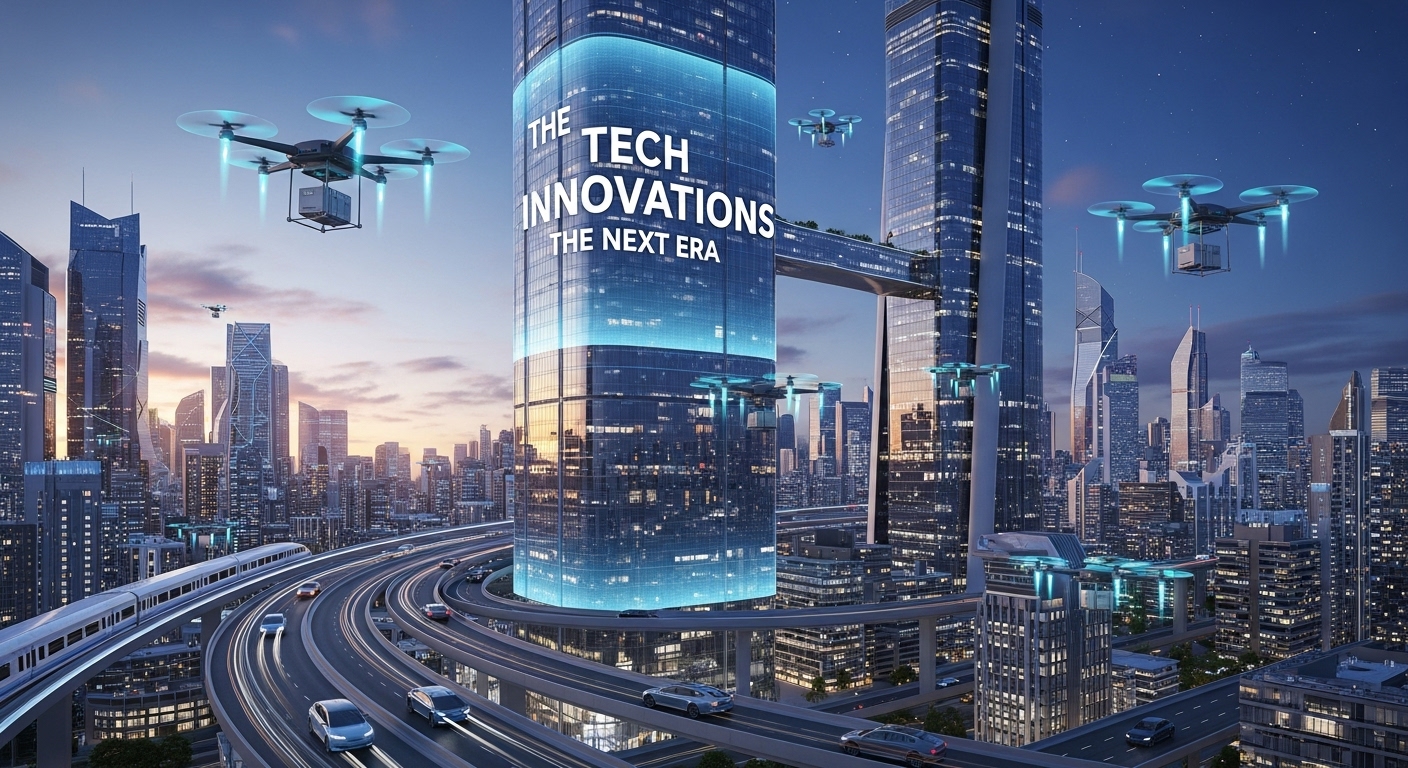

Technology has become the backbone of modern life, transforming the way we communicate, work, travel, and even think. From the rapid evolution of artificial intelligence to breakthroughs in biotechnology, the pace of innovation shows no signs of slowing down. In this blog, we will explore key technological trends shaping the future and their implications for society, industry, and our daily lives.
The Transformative Power of Artificial Intelligence
Artificial Intelligence has evolved from a futuristic concept into an integral part of our daily routines. AI is now embedded in applications ranging from virtual assistants to predictive analytics in business. Its ability to learn from data, identify patterns, and make autonomous decisions is revolutionizing industries. In healthcare, AI algorithms can analyze medical images faster and more accurately than human doctors, leading to earlier diagnoses and more personalized treatments. In finance, AI systems detect fraud in real-time, optimizing security and operational efficiency.
The potential of AI extends far beyond these applications. In education, AI-driven tools can personalize learning experiences, adapting to each student’s strengths and weaknesses. In urban planning, AI helps cities optimize traffic flow, reduce energy consumption, and improve public safety. Despite its immense benefits, the rise of AI also raises questions about ethics, privacy, and employment. Society must carefully balance the advantages of automation with the need to ensure transparency, fairness, and accountability in AI systems.
The Internet of Things and a Connected World
The Internet of Things, or IoT, refers to the network of physical devices connected to the internet that can collect and exchange data. IoT technology has the potential to create highly efficient systems across homes, industries, and cities. Smart homes, for example, allow users to control lighting, heating, and security systems remotely while collecting data to optimize energy consumption. In agriculture, IoT sensors monitor soil health and crop growth, enabling precision farming and higher yields.
Industries are leveraging IoT for predictive maintenance, reducing downtime and operational costs. IoT also enhances healthcare by enabling remote monitoring of patients’ vital signs, which can prevent emergencies and improve overall treatment outcomes. However, as the number of connected devices grows, ensuring robust security protocols becomes critical to protect sensitive data from cyberattacks and unauthorized access.
Quantum Computing: Solving the Unsolvable
Quantum computing represents one of the most exciting frontiers of technology. Unlike traditional computers that use binary bits, quantum computers use qubits that can exist in multiple states simultaneously, allowing for computation at unprecedented speeds. This capability enables quantum computers to solve complex problems that are currently intractable for classical systems.
Applications of quantum computing are vast. In drug discovery, quantum simulations can model molecular interactions with extraordinary accuracy, accelerating the development of new medicines. In logistics, quantum algorithms can optimize routes and supply chains in ways previously impossible. Cybersecurity could also see revolutionary changes, as quantum computers may be able to break conventional encryption methods while simultaneously inspiring new forms of ultra-secure communication. While practical quantum computers are still in development, the potential for this technology to redefine industries is immense.
5G Networks and the Era of Instant Connectivity
The rollout of 5G technology is set to redefine connectivity. Compared to its predecessors, 5G offers faster speeds, lower latency, and the capacity to support a vast number of connected devices. This advancement will enable new technologies like autonomous vehicles, augmented reality, and telemedicine to function seamlessly.
In smart cities, 5G allows real-time monitoring of infrastructure, traffic, and energy systems, improving efficiency and reducing waste. Businesses can leverage 5G to implement IoT solutions at scale, enhancing productivity and operational precision. The low latency of 5G networks also opens doors for immersive experiences in gaming, remote work, and virtual collaboration, transforming how we interact with digital content and each other.
Blockchain Technology: Building Trust in a Digital World
Blockchain technology is far more than a foundation for cryptocurrencies. It offers a decentralized, transparent, and secure method of recording transactions. This technology is finding applications in sectors such as supply chain management, healthcare, finance, and digital identity verification.
Blockchain ensures that records are immutable and verifiable, reducing fraud and improving transparency. In logistics, it can track the journey of goods from production to delivery, ensuring authenticity. In healthcare, blockchain allows patients to securely store and share medical records, giving them greater control over their personal data. The potential of blockchain lies in its ability to create systems of trust in digital interactions, enabling new business models and more secure digital environments.
Biotechnology and the Future of Health
Biotechnology is reshaping medicine and human health in ways once thought impossible. Gene editing tools such as CRISPR allow precise modifications to DNA, offering the potential to treat genetic disorders and enhance human capabilities. Personalized medicine, informed by genetic information and data analytics, enables treatments tailored to an individual’s unique biological profile.
Additionally, wearable devices and health-monitoring apps collect vast amounts of physiological data, giving healthcare providers the ability to offer preventative care and early interventions. Biotechnology also intersects with AI and big data, allowing researchers to uncover insights that accelerate the development of vaccines, cancer therapies, and other life-saving treatments. While ethical considerations remain paramount, the potential for biotechnology to extend lifespans and improve quality of life is immense.
The Changing Landscape of Work
Technology is transforming the workplace at an unprecedented rate. Automation, AI, and robotics are performing tasks that were once considered exclusively human. While this raises concerns about job displacement, it also creates new opportunities in fields requiring creativity, problem-solving, and emotional intelligence.
Remote work technologies, powered by cloud computing and high-speed internet, have redefined workplace flexibility, allowing global collaboration without physical boundaries. AI-powered tools enhance productivity by automating repetitive tasks, enabling humans to focus on higher-level decision-making. Companies are increasingly investing in reskilling employees, emphasizing the development of digital literacy and adaptability to prepare the workforce for the demands of tomorrow.
Sustainable Technology and Environmental Innovation
As the world faces climate change and environmental challenges, technology is playing a crucial role in creating sustainable solutions. Renewable energy technologies, such as solar, wind, and advanced battery storage systems, are reducing reliance on fossil fuels. Smart grids and energy-efficient systems optimize energy consumption, minimizing environmental impact.
Innovations in transportation, including electric vehicles and autonomous public transit, promise to reduce carbon emissions while improving mobility. Agriculture is benefiting from precision farming and sustainable practices enabled by IoT sensors and AI analytics. Technology, when leveraged responsibly, can help balance economic growth with environmental stewardship, ensuring that progress does not come at the expense of the planet.
The Ethical Dimensions of Emerging Technology
While technological advancements offer tremendous opportunities, they also present ethical challenges. Data privacy, cybersecurity, AI bias, and the implications of biotechnology require careful consideration. The deployment of advanced technologies must balance innovation with societal responsibility, ensuring that benefits are shared equitably and risks are mitigated.
Ethical frameworks, regulation, and proactive governance will play a critical role in shaping the responsible adoption of emerging technologies. Companies and governments must prioritize transparency, accountability, and inclusivity to foster public trust and ensure that technological progress aligns with human values.
Conclusion: Shaping a Tech-Driven Future
The future of technology is both thrilling and complex. Innovations in AI, IoT, quantum computing, 5G, blockchain, biotechnology, and sustainability are transforming every aspect of our lives. These technologies have the power to solve pressing global challenges, improve quality of life, and redefine the way we work, learn, and interact.
As we embrace this new era, it is crucial to remain mindful of ethical considerations, security, and equitable access. The ultimate goal should be to leverage technology not just for efficiency or profit, but for the greater good of humanity. By fostering responsible innovation, society can ensure that the future is smarter, safer, and more connected than ever before.