Technology has always been the driving force behind human progress. From the invention of the wheel to the rise of artificial intelligence, every advancement in technology has redefined how we live, work, and connect. The pace of innovation in the modern age is unlike anything seen before, transforming industries, cultures, and even the way we perceive ourselves. To understand the true scope of this transformation, we must explore not just the tools we create, but the human stories and societal changes that accompany them.
The Roots of Human Innovation
The story of technology begins with curiosity. Early humans learned to control fire, craft tools, and use natural materials to solve problems. These discoveries may seem primitive compared to modern achievements, but they marked the first steps in our species’ long journey toward mastery over the environment. Fire gave warmth and protection; tools allowed for hunting and building; language enabled the sharing of knowledge across generations.
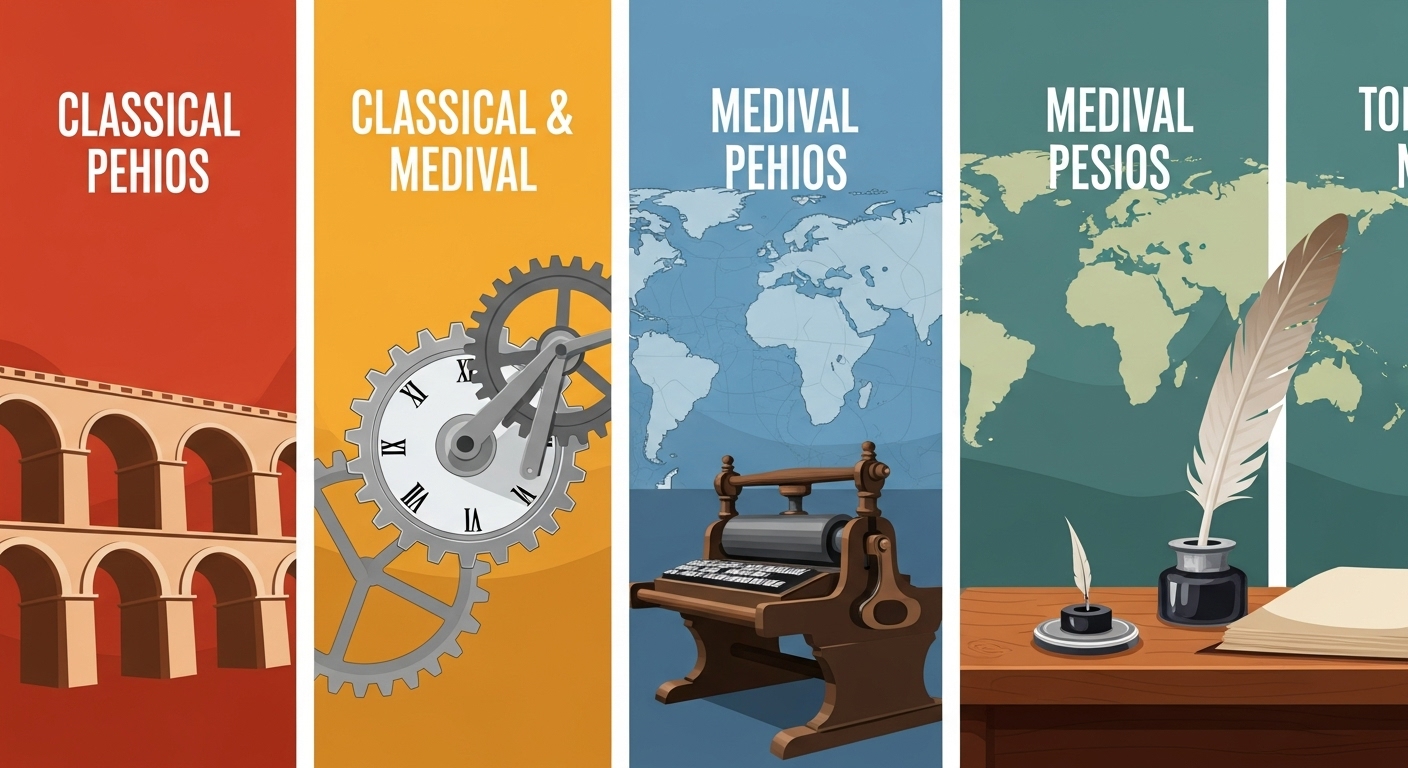
As societies evolved, so too did their technologies. Ancient civilizations developed irrigation systems, architecture, mathematics, and writing. The invention of the wheel revolutionized transportation, while the development of metallurgy enabled stronger weapons and tools. Every innovation built upon the last, forming a chain of progress that stretched across centuries.
The Industrial Revolution marked a profound turning point. Steam engines, mechanized factories, and new manufacturing techniques shifted the world from agrarian economies to industrial powerhouses. It was not merely a technological change—it was a social and cultural upheaval. Cities grew rapidly, labor systems evolved, and new social classes emerged. Technology became the foundation of modern civilization, influencing not just what people made, but how they lived and thought.
The Digital Dawn
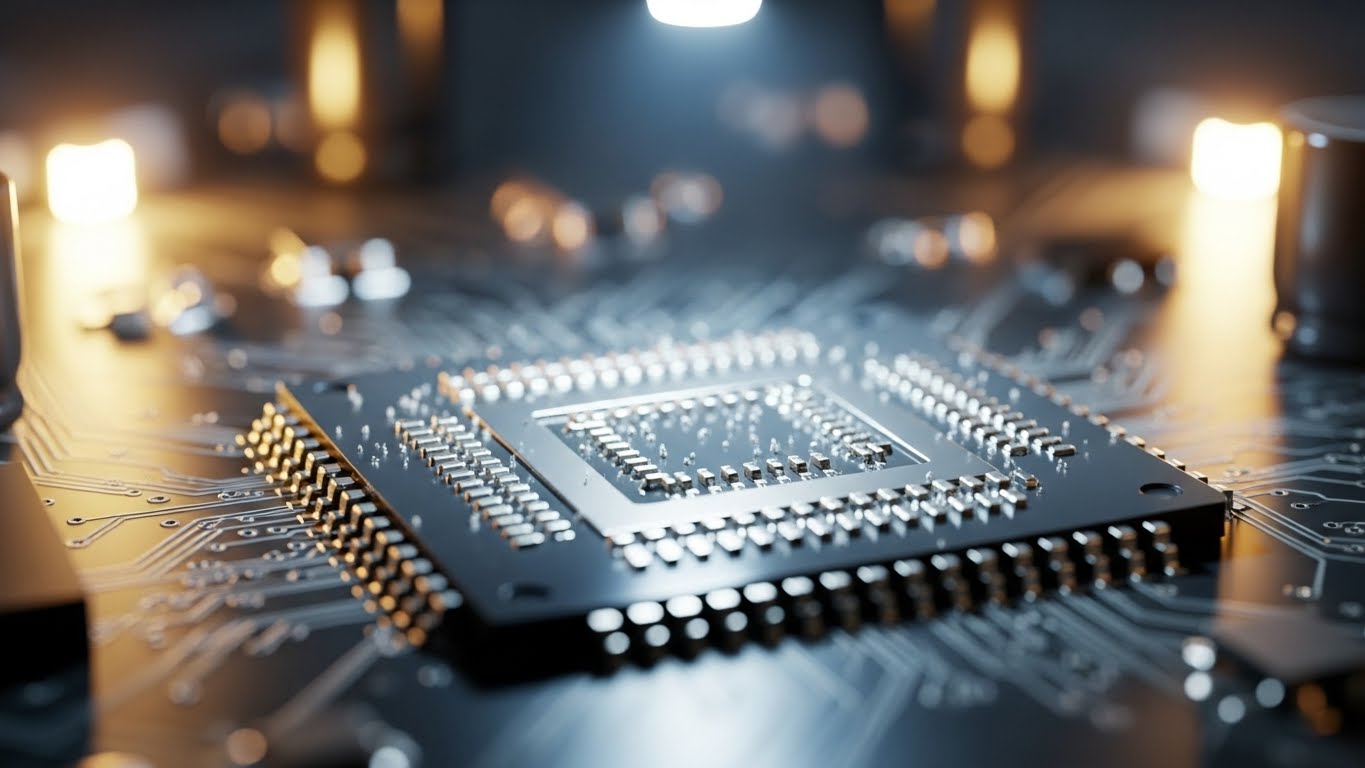
The twentieth century introduced an entirely new era—the digital age. While the Industrial Revolution transformed physical production, the digital revolution redefined information itself. Early computers, massive and expensive, were used for scientific research and military applications. Yet, as engineers and innovators refined the technology, computing became smaller, faster, and accessible to ordinary people.
The development of the microprocessor in the 1970s laid the groundwork for personal computing. Visionaries like Steve Jobs and Bill Gates saw a future where computers would empower individuals, not just institutions. The personal computer became a household item, changing education, entertainment, and work. Suddenly, people could type documents, play games, and manage finances on a machine sitting on their desks.
With the rise of the internet in the 1990s, the world entered a new phase of connectivity. Information was no longer confined to libraries or corporate databases—it flowed freely across the globe. Communication became instantaneous, and access to knowledge became more democratic than ever before. The world wide web transformed everything from journalism to commerce, giving rise to new industries and global platforms.
The Smartphone Revolution
The twenty-first century brought yet another seismic shift: the rise of the smartphone. When mobile phones first appeared, they were simple tools for voice communication. But as computing power increased and mobile networks improved, phones evolved into miniature computers capable of running complex applications. The launch of the first iPhone in 2007 marked a historic moment, merging communication, computing, and entertainment into a single device.
Smartphones changed the fabric of everyday life. They redefined social interaction, enabling people to stay connected at all times through text, video, and social media. They turned cameras into storytelling tools, gave rise to app-based economies, and created new forms of work such as ride-sharing and content creation. More profoundly, smartphones changed how people perceive time and space. The world became smaller, faster, and more interconnected, and the boundaries between digital and physical realities blurred.
However, the smartphone revolution also brought challenges. The constant flow of information created issues of attention, privacy, and mental health. Social media, while empowering in many ways, amplified misinformation and division. Technology, once celebrated purely as progress, began to reveal its double-edged nature.
Artificial Intelligence and the Age of Automation
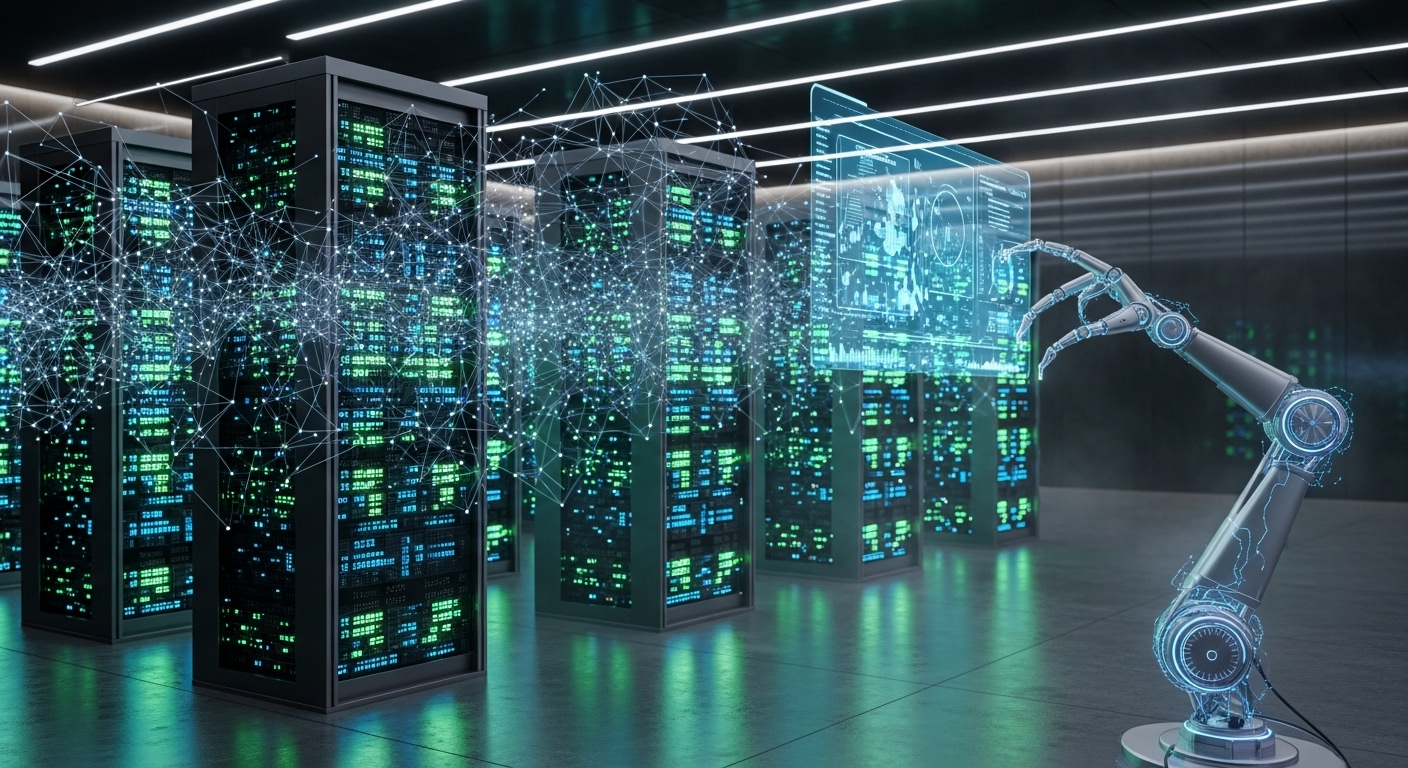
Among the most transformative developments of our time is artificial intelligence. AI, which once existed only in the realm of science fiction, has become a tangible force shaping industries and societies. From voice assistants and recommendation algorithms to autonomous vehicles and medical diagnostics, AI systems are increasingly capable of performing tasks once thought uniquely human.
The rise of AI has sparked debates about the nature of intelligence and the future of work. Automation has improved efficiency across sectors, but it has also disrupted traditional jobs. Machines can analyze data faster than humans, predict patterns, and even generate creative content. Yet, they lack emotion, empathy, and the nuanced understanding that defines human experience.
AI’s impact on healthcare has been especially profound. Algorithms can detect diseases in medical scans, predict patient outcomes, and personalize treatments. In education, AI tools provide personalized learning experiences tailored to each student’s pace and style. In transportation, self-driving vehicles promise safer and more efficient travel. The potential is vast, but so are the ethical challenges surrounding bias, privacy, and control.
The core question remains: how do we ensure that AI serves humanity rather than replacing it? Many thinkers argue that the future lies in collaboration—where humans and machines work together, each amplifying the strengths of the other. Creativity, ethics, and empathy remain human domains, while computation, analysis, and precision belong to machines. The harmony between the two will define the next chapter of human progress.
The Internet of Things and the Connected World
Beyond personal devices and AI, another wave of technology is transforming how we interact with our environment: the Internet of Things (IoT). This concept describes a network of interconnected devices—everything from refrigerators to traffic lights—that communicate and share data. The goal is to create smarter systems that anticipate human needs and respond automatically.
In smart homes, IoT devices manage lighting, temperature, and security. In cities, sensors monitor traffic flow, pollution levels, and energy consumption, optimizing urban life. In agriculture, connected systems track soil conditions and weather patterns, increasing crop yields. The IoT represents a world where technology fades into the background, becoming an invisible partner in daily life.
However, with greater connectivity comes greater vulnerability. Cybersecurity and data privacy are major concerns, as every connected device represents a potential entry point for malicious actors. Balancing convenience with security has become one of the defining challenges of the digital age.
The Cloud and the Era of Data
The modern technological landscape runs on one invisible but powerful infrastructure: the cloud. Cloud computing allows individuals and organizations to store and process vast amounts of data remotely, without relying on physical hardware. It has revolutionized business operations, enabling scalability, flexibility, and real-time collaboration.
In the past, companies needed massive data centers to host their information. Today, cloud services allow even small startups to access enterprise-level computing power. The cloud has also fueled the rise of remote work and global collaboration. During the COVID-19 pandemic, cloud-based platforms became the backbone of digital resilience, allowing education, communication, and commerce to continue virtually.
But the cloud is not merely about storage—it’s about intelligence. Massive datasets stored in the cloud feed machine learning models, driving advancements in AI, analytics, and automation. The data economy has become a defining feature of the 21st century, where information is often more valuable than physical goods.
Virtual Reality, Augmented Reality, and the Metaverse
As computing power continues to evolve, so too does our ability to merge the digital and physical worlds. Virtual reality (VR) immerses users in fully digital environments, while augmented reality (AR) overlays digital information onto the real world. These technologies are transforming entertainment, education, and even healthcare.
VR allows people to explore distant places, learn new skills, or experience historical events in immersive ways. AR enhances real-world tasks by providing contextual information—such as guiding surgeons during operations or helping engineers visualize complex structures.
The concept of the metaverse extends these technologies into a shared digital universe where users can work, play, and socialize through avatars. While still in its early stages, the metaverse represents the next frontier of digital interaction. It envisions a world where physical presence becomes optional and digital identity takes center stage.
Yet, this evolution raises questions about authenticity, ownership, and the value of real-world experience. If people spend more time in virtual spaces, what happens to the meaning of community and connection? These philosophical and ethical questions highlight that technological progress is not only a matter of engineering but also of humanity.
Renewable Technology and the Green Revolution
While digital technology captures much of the world’s attention, another critical domain is reshaping the planet: renewable energy technology. Climate change has become one of the defining challenges of our time, and innovation in energy is key to addressing it.
Solar, wind, and hydroelectric technologies are advancing rapidly, making clean energy more affordable and accessible. Battery storage, smart grids, and energy-efficient systems are transforming how electricity is produced and consumed. Electric vehicles, once niche products, are now mainstream, reducing dependence on fossil fuels.
Technology is also playing a crucial role in environmental monitoring. Satellites track deforestation, sensors monitor air and water quality, and AI models predict climate patterns. The fusion of digital and ecological innovation marks a hopeful direction for humanity’s relationship with the planet.
Biotechnology and the Future of Health
Beyond digital and energy revolutions, biotechnology is pushing the boundaries of life itself. Advances in genetic engineering, synthetic biology, and personalized medicine are redefining healthcare and agriculture. The mapping of the human genome opened the door to treatments tailored to individual genetic profiles.
CRISPR technology allows scientists to edit DNA with unprecedented precision, offering potential cures for genetic diseases. In agriculture, genetically modified crops resist pests and harsh climates, addressing food security in a growing global population. Biotechnology is also merging with computing, giving rise to bioinformatics—a field that uses data analysis to unlock the secrets of life.
However, as with every powerful technology, ethical questions loom large. How far should humans go in altering nature? Who controls genetic information? The answers to these questions will shape the moral framework of the future.
The Role of Ethics in Technological Progress
As technology evolves faster than ever, society faces complex moral challenges. Innovation without ethical reflection can lead to exploitation, inequality, and harm. The digital divide—between those with access to technology and those without—remains a pressing issue. Similarly, surveillance technologies raise questions about privacy and human rights.
The ethical dimension of technology is not about slowing progress, but about guiding it. Developers, governments, and citizens must engage in continuous dialogue about how technologies are designed and deployed. Transparency, accountability, and inclusivity should be the guiding principles of future innovation.
Education also plays a crucial role. Understanding how technology works empowers people to use it responsibly. Digital literacy, data ethics, and critical thinking are as essential today as reading and writing were in the past.
The Future Horizon: Quantum Computing and Beyond
Looking ahead, the next great leap may come from quantum computing. Unlike traditional computers, which process information using bits that represent 0 or 1, quantum computers use qubits that can exist in multiple states simultaneously. This enables them to perform calculations at speeds unimaginable with classical systems.
Quantum computing promises breakthroughs in fields such as cryptography, material science, and medicine. It could revolutionize how we simulate molecular structures, optimize logistics, and secure communications. Yet, it also poses risks, potentially rendering current encryption methods obsolete.
Beyond quantum computing, researchers are exploring neural interfaces, nanotechnology, and space-based systems that could redefine human capability. Each of these innovations pushes the boundary of what it means to be human in a technological world.
The Human Element in a Technological Age
Despite all the complexity of modern technology, its purpose remains simple: to serve humanity. Yet, technology also shapes humanity in return. The tools we create change how we think, how we relate to one another, and how we perceive our place in the universe.
In an age of automation and artificial intelligence, what remains uniquely human? Empathy, creativity, and the capacity for meaning cannot be replicated by code. As machines grow smarter, it becomes even more important for humans to cultivate wisdom.
The future will not be defined by machines alone but by how we choose to use them. Technology is neither inherently good nor evil—it is a mirror reflecting human intention. Used wisely, it can create a more connected, sustainable, and just world. Used recklessly, it can deepen inequality and alienation.
Conclusion: The Unfinished Story of Innovation
The evolution of technology is an ongoing narrative, one written by countless minds across generations. From the first stone tools to quantum processors, each innovation represents both human ingenuity and responsibility. We stand at a crossroads where the potential for progress is vast, but so are the challenges.
To navigate the future, we must remember that technology is not destiny. It is a choice—a tool that amplifies the values of those who wield it. The story of technology is, ultimately, the story of humanity itself: a testament to our creativity, curiosity, and unending quest to shape the world around us.
As we step into the next era, one truth endures: the future belongs not to technology alone, but to the humans who dare to dream, build, and question. The world we create will depend not only on what we invent, but on who we choose to become.