
Introduction
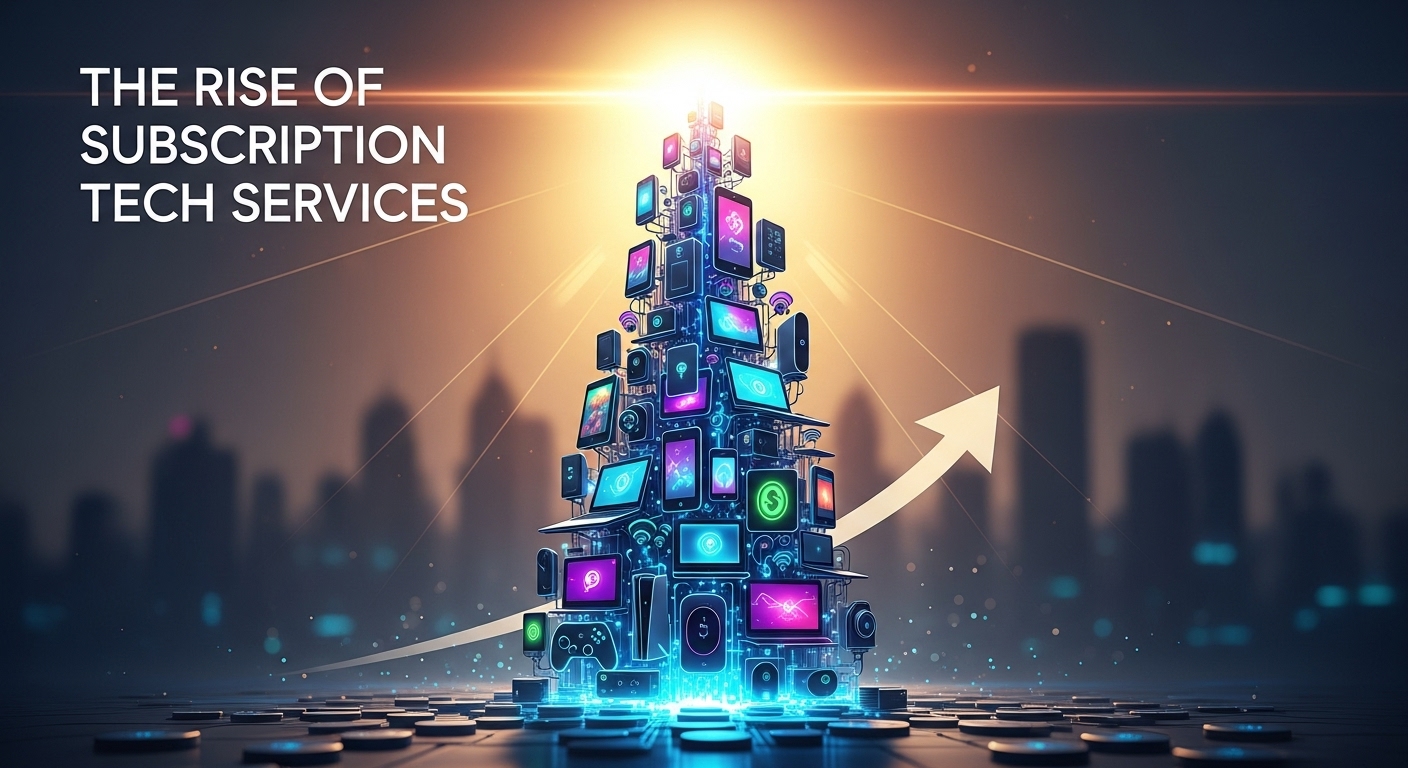
Technology has always evolved in response to how people use it. In the early years of the digital revolution, software was sold as a one-time purchase. You bought a disc, installed a program on your computer, and owned it indefinitely. Hardware was treated the same way. Consumers purchased devices and used them until they became outdated. But in recent years, a new model has taken over—subscription technology services.
From cloud storage and productivity tools to entertainment platforms and security software, subscriptions have become the default way that technology is delivered. Instead of owning products outright, users now pay recurring fees for continued access. This shift has reshaped consumer habits, redefined corporate strategies, and transformed the very idea of digital ownership.
The rise of subscription tech services reflects broader changes in economics, innovation, and user behavior. This article explores how this trend began, why it grew so rapidly, its benefits and challenges, and what the future may hold for both consumers and businesses.
The Historical Context of Subscription Models
Subscriptions are not new. Magazines, newspapers, and even utilities have long relied on recurring payments. However, applying the subscription model to technology is a relatively recent development.
In the 1990s and early 2000s, most software was sold as boxed products. Companies like Microsoft, Adobe, and antivirus providers charged significant one-time fees for permanent licenses. Upgrades required purchasing entirely new versions, creating irregular revenue for companies and high costs for consumers.
The internet changed this dynamic. With broadband access becoming widespread, companies realized they could deliver software and services continuously rather than through physical copies. This paved the way for Software as a Service (SaaS), a model where applications are hosted on remote servers and accessed online through subscriptions.
The early adopters proved the concept, and soon entire industries shifted to recurring payment structures. What started with software has now expanded into almost every corner of consumer technology.
Why Subscription Services Took Off
Several factors contributed to the explosive growth of subscription tech services.
One major driver is accessibility. Subscriptions lower the upfront cost of using technology. Instead of paying hundreds of dollars at once, users can pay affordable monthly fees. This democratizes access to tools that were once restricted to professionals or wealthy customers.
Another factor is continuous improvement. Subscription services allow companies to update and enhance their products regularly. Users no longer wait years for new versions; they receive updates instantly. This keeps services relevant and responsive to emerging needs.
For businesses, subscriptions create predictable revenue streams. Instead of relying on irregular sales spikes, companies benefit from steady monthly income. This stability encourages more investment in innovation and customer support.
The subscription model also aligns with changing consumer behavior. People increasingly value convenience, flexibility, and access over ownership. Just as music listeners moved from buying CDs to streaming songs on demand, tech users prefer access to constantly updated services rather than static products.
The Growth of Cloud-Based Services
The backbone of subscription technology is the cloud. Cloud computing allows software, storage, and processing power to be delivered online rather than installed locally. This makes it possible for users to access services from multiple devices anywhere in the world.
Cloud storage services are a prime example. Platforms that provide gigabytes or terabytes of space for photos, videos, and documents charge users monthly or yearly fees. This removes the need for physical drives and makes collaboration seamless.
Productivity suites have also flourished under the subscription model. Instead of buying software discs, users now subscribe to platforms that bundle word processors, spreadsheets, email, and video conferencing tools. Businesses benefit from centralized management, while individuals enjoy constant updates and cloud integration.
Without the cloud, subscription services would not be scalable or sustainable. The ability to deliver services instantly and globally is what makes recurring payments practical and attractive.
Streaming Services as a Cultural Shift
The subscription model is not limited to practical software—it has transformed entertainment too. Music, movies, television, and gaming have all embraced subscriptions.
Music streaming platforms allow users to pay monthly fees for access to millions of tracks. This replaced the old model of buying albums or individual songs. Similarly, video streaming services changed how people watch movies and shows. Instead of renting DVDs or relying on broadcast schedules, users can stream vast libraries on demand.
Gaming has also entered the subscription era. Platforms offer access to extensive game libraries for a flat fee, much like how music and movies are delivered. This represents a fundamental shift in how entertainment is consumed.
These cultural changes have created new expectations. Consumers now assume they should have access to unlimited content for a monthly fee. The idea of owning individual media files feels outdated to many, especially younger generations.
Subscription Services in Everyday Life
Beyond software and entertainment, subscriptions now extend into everyday tech-related activities. Fitness trackers often come with subscription apps that provide guided workouts and advanced analytics. Cybersecurity services such as VPNs and antivirus programs use recurring payment models.
Even hardware companies are experimenting with subscriptions. Some smartphone brands have launched upgrade programs where users pay monthly fees to receive the newest device each year. Car companies are piloting subscription services for vehicles, bundling insurance, maintenance, and connectivity into one recurring payment.
This expansion shows that subscription models are not just a business trend but a lifestyle shift. For many people, a large portion of monthly expenses is now tied to recurring tech services, from entertainment and productivity to health and security.
Benefits of Subscription Tech Services
The rise of subscriptions is not accidental—it comes with clear benefits for both consumers and companies.
For consumers, affordability is a key advantage. Instead of paying a large upfront cost, subscriptions spread payments over time. This makes advanced technology accessible to more people. Subscriptions also provide flexibility. Most services allow users to cancel at any time, avoiding the feeling of being locked into long-term commitments.
Another benefit is constant improvement. Users enjoy new features, security updates, and performance enhancements without having to buy new versions. This keeps services relevant and prevents obsolescence.
For businesses, subscriptions ensure steady revenue streams. Predictable income allows for long-term planning, research, and customer support. Companies also build closer relationships with users since success depends on continued satisfaction rather than one-time sales.
Subscriptions create a win-win dynamic where both sides benefit from ongoing engagement.
Challenges and Criticisms of Subscriptions
Despite their popularity, subscription tech services are not without challenges. One common criticism is subscription fatigue. As more services adopt recurring payments, users often find themselves juggling multiple monthly charges. What begins as affordable individual subscriptions can add up to a significant financial burden.
Another issue is the loss of ownership. In traditional models, buying software or media meant owning it permanently. Subscriptions only provide access for as long as payments continue. If a service shuts down or a user cancels, access disappears. This raises concerns about long-term value and reliance on companies.
Privacy and security are also concerns. Subscription services often collect user data to personalize experiences or improve functionality. This creates potential risks if data is misused or exposed in breaches.
From a business perspective, competition is intense. Since subscriptions depend on retaining customers, companies must constantly innovate and deliver value. Losing subscribers can cause significant revenue drops, making customer satisfaction more critical than ever.
The Psychology of Subscriptions
An interesting aspect of subscription tech services is their psychological appeal. Recurring small payments feel less burdensome than large upfront costs. Many users are more willing to pay ten dollars monthly than one hundred dollars at once, even if the long-term cost is higher.
Subscriptions also play into the psychology of access. The idea of unlimited use, whether for streaming content or cloud storage, feels liberating compared to restrictive one-time purchases. Consumers perceive greater value when they can explore vast options without additional charges.
However, this psychology can also lead to complacency. Many users forget about unused subscriptions, continuing to pay for services they rarely use. This benefits companies but adds hidden costs for consumers.
Subscription Models in Business Technology
While much attention is given to consumer services, subscriptions are equally transformative in business environments. Enterprise-level software, once purchased through expensive licenses, is now delivered through cloud-based subscriptions.
Customer relationship management systems, project management platforms, and communication tools are all offered as services rather than products. This allows businesses to scale usage based on needs, paying only for what they require.
For businesses, subscription models reduce upfront expenses and provide flexibility. They also ensure access to the latest tools without costly upgrades. This has made subscriptions the standard in professional technology solutions.
The Future of Subscription Tech Services
Looking forward, the subscription model shows no signs of slowing down. In fact, it is likely to expand into even more areas of technology. Artificial intelligence tools, augmented reality platforms, and next-generation cloud services will likely be offered through recurring payments.
Bundles may also become more common. Just as streaming platforms compete for viewers, companies may offer combined subscriptions that include multiple services at discounted rates. This could reduce subscription fatigue while increasing customer loyalty.
Another trend is personalization. Subscriptions will increasingly adapt to individual needs, offering tailored features, pricing, and content. This creates more meaningful experiences and strengthens customer relationships.
However, questions remain about sustainability. Consumers may eventually resist having too many recurring charges. Businesses will need to balance affordability, value, and innovation to keep users engaged.
Conclusion
The rise of subscription tech services represents one of the most significant shifts in the digital age. What began as a new way to deliver software has expanded into a model that shapes how people consume entertainment, manage productivity, protect data, and even use hardware.
Subscriptions provide accessibility, flexibility, and continuous improvement, benefiting both consumers and businesses. Yet they also bring challenges, including subscription fatigue, loss of ownership, and reliance on constant payments.
For beginners and experts alike, understanding this trend is essential. Subscriptions are no longer just a pricing model—they are a defining feature of modern technology. As the digital world evolves, the subscription economy will continue to grow, reshaping how people interact with the tools and services that power everyday life.