Introduction
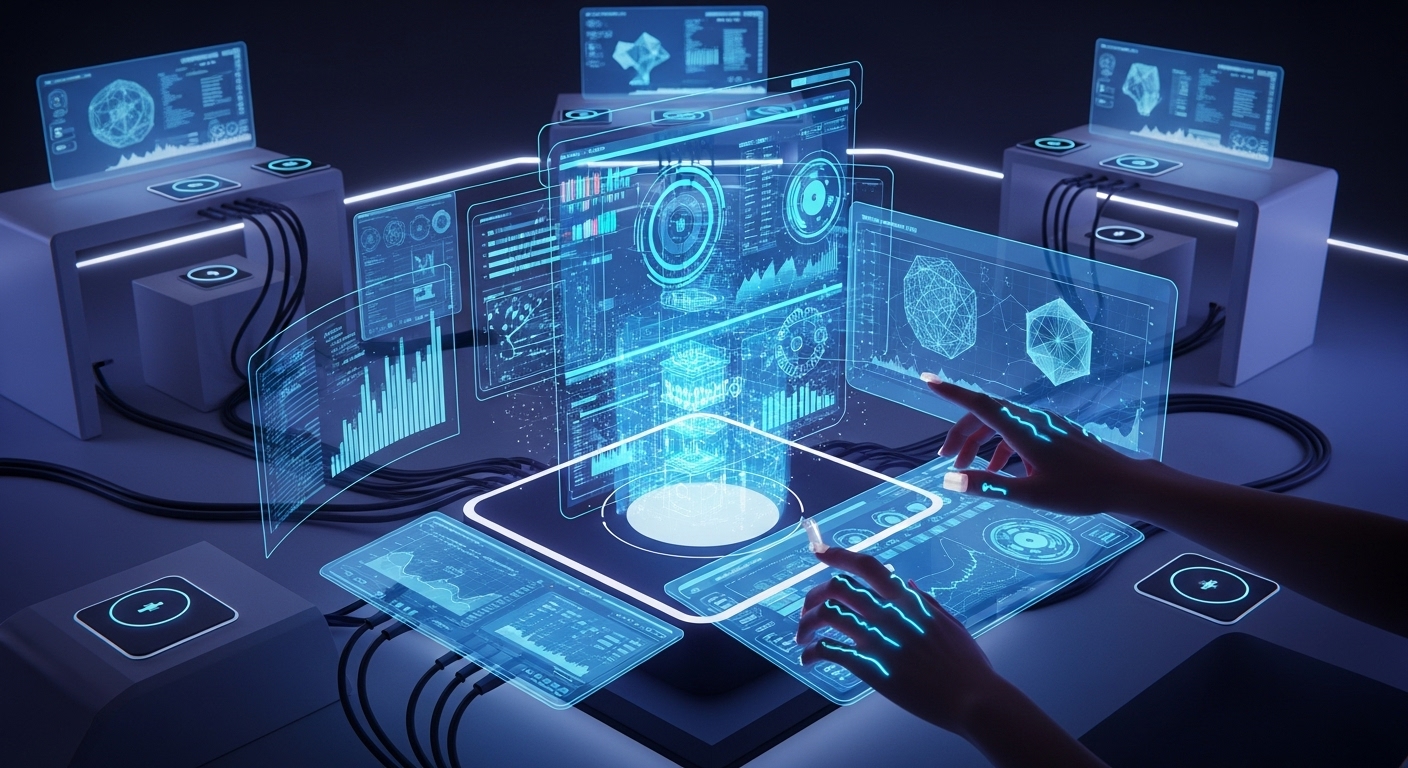
The twenty-first century has been defined by an unstoppable wave of technological progress that continues to reshape every aspect of human life. Technology has become more than just a tool; it is the foundation of modern civilization. From artificial intelligence and automation to virtual reality and smart cities, technology influences the way people work, communicate, learn, and live. This transformation is not limited to gadgets or machines; it represents a shift in the very fabric of society. The digital dawn has arrived, and it is changing how humanity thinks, connects, and evolves.
The Evolution of Technology
Human innovation began with the discovery of fire and the invention of tools, marking the beginning of civilization. Over time, each technological leap brought new possibilities. The agricultural revolution allowed humans to settle and cultivate land, while the industrial revolution introduced machines that powered progress. The information age, driven by computers and the internet, connected the world in ways that were once unimaginable. Today, we are living in the era of digital transformation, where data, artificial intelligence, and automation have taken center stage. Each phase of technological evolution has built upon the last, creating an interconnected global society that thrives on innovation.
Artificial Intelligence: The Mind of the Machine
Artificial Intelligence, or AI, has become one of the most transformative technologies in the modern world. It enables machines to analyze data, learn from experience, and make decisions that once required human intelligence. AI powers voice assistants, self-driving cars, and personalized recommendations on digital platforms. In healthcare, AI assists doctors in diagnosing diseases faster and more accurately. In business, it helps companies predict market trends and optimize operations. Despite its advantages, AI also raises ethical questions about job loss, privacy, and control. The key challenge lies in using AI responsibly to complement human intelligence rather than replace it.
Automation and the Future of Employment
Automation has changed the way industries operate. Machines and software systems now perform repetitive tasks more efficiently than humans. In manufacturing, robots assemble products with precision. In offices, digital systems handle data entry, accounting, and customer support. While automation increases productivity, it also disrupts traditional employment patterns. Many fear that machines will replace human workers, but history shows that new technologies create new opportunities. Future jobs will require creativity, problem-solving, and digital literacy—skills that machines cannot replicate. The future of work depends on how people adapt, learn, and embrace technological change.
The Internet of Things: A Connected World
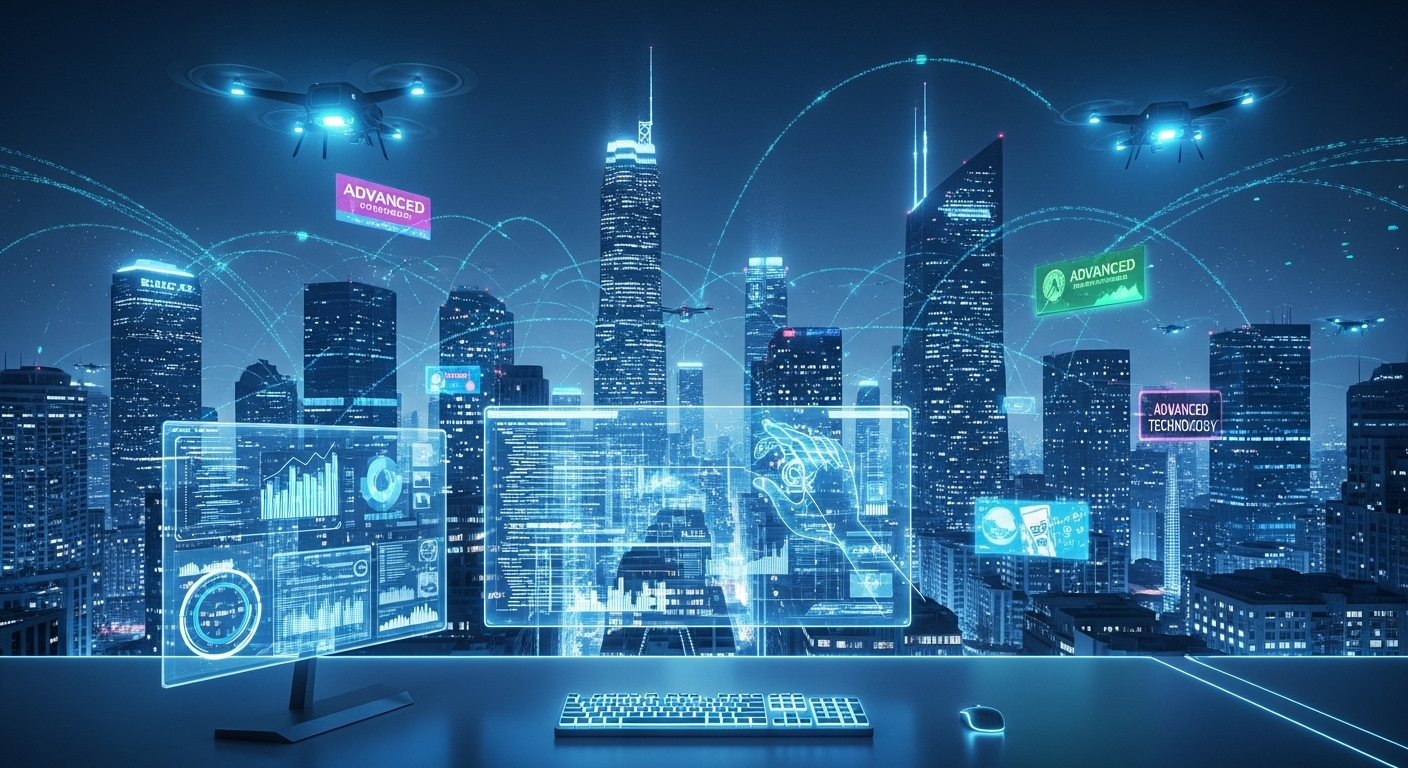
The Internet of Things, often referred to as IoT, connects everyday objects to the internet, allowing them to share information and perform tasks automatically. Smart homes are a perfect example—lights, thermostats, and security systems can all be controlled remotely through mobile devices. In cities, IoT enables efficient traffic management, waste control, and energy use, paving the way for smart urban development. In healthcare, wearable devices monitor vital signs and send real-time data to doctors. While IoT brings convenience and efficiency, it also requires robust cybersecurity to protect sensitive data from misuse.
The Power of Big Data
Data has become the most valuable resource of the digital era. Every online action—searches, purchases, messages, and clicks—creates a trail of information. Big data analytics uses this information to uncover patterns, predict behaviors, and drive decision-making. Businesses use data to understand consumer needs, governments use it to plan policies, and researchers use it to solve complex problems. However, the rise of big data has sparked debates about privacy and consent. Ensuring ethical use of data is essential to building a digital world that values both innovation and individual rights.
Cloud Computing and Digital Freedom
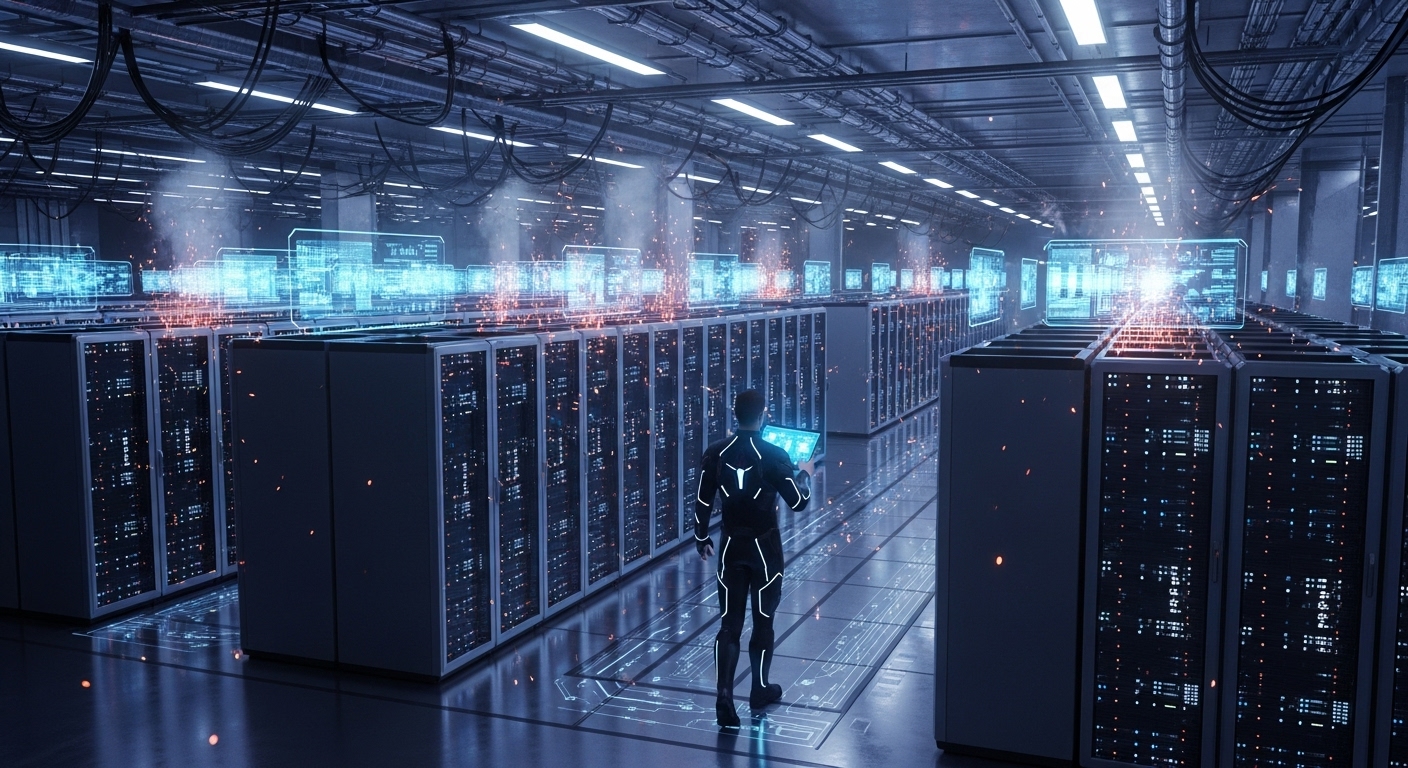
Cloud computing has redefined how people and organizations store and access information. Instead of relying on physical storage devices, data is now stored in virtual servers accessible from anywhere. This has made remote work, global collaboration, and digital services possible on an unprecedented scale. For businesses, cloud technology reduces infrastructure costs and improves flexibility. For individuals, it allows access to files, entertainment, and applications on multiple devices. The cloud symbolizes freedom in the digital era—freedom to work, create, and connect without boundaries.
The Transformation of Education Through Technology
Education has undergone a massive transformation through technology. Digital tools have made learning more interactive, engaging, and accessible. Students can now attend virtual classes, access online libraries, and collaborate with peers across the world. Artificial intelligence personalizes learning by identifying strengths and weaknesses, while virtual simulations help students experience real-world scenarios. Online education has broken geographical and financial barriers, allowing millions to learn at their own pace. The future of education lies in blending technology with human guidance to create a system that encourages creativity, curiosity, and lifelong learning.
Healthcare in the Digital Era
Technology has revolutionized healthcare in ways once thought impossible. Digital records have replaced paper files, making patient management more efficient. Telemedicine allows doctors to consult patients remotely, while wearable technology tracks fitness and detects early signs of illness. Artificial intelligence assists in predicting disease outbreaks and developing new treatments. Advanced robotics perform surgeries with precision that reduces recovery times. Technology is not just improving healthcare; it is saving lives and empowering people to take control of their well-being. However, it also requires careful regulation to protect patient data and maintain ethical medical practices.
Cybersecurity: The Shield of the Digital World
As technology advances, so do the threats that accompany it. Cyberattacks, data breaches, and identity theft have become global challenges. Cybersecurity serves as the shield that protects individuals, businesses, and governments from digital harm. Strong encryption, multi-layer authentication, and ethical hacking are vital for protecting sensitive information. In a world where personal and financial data are constantly shared online, cybersecurity awareness is essential for every digital citizen. Technology should empower, not endanger, and cybersecurity ensures that innovation remains a force for good.
The Role of Technology in Business Innovation
Technology is the driving force behind modern business innovation. Companies use digital tools to improve productivity, reach global markets, and enhance customer experience. E-commerce platforms allow small businesses to compete internationally, while automation streamlines operations. Artificial intelligence helps businesses analyze market trends, predict consumer behavior, and make smarter decisions. Digital marketing and social media have replaced traditional advertising, creating direct connections between brands and customers. In the competitive business world, embracing technology is not an option—it is a necessity for survival and growth.
Virtual and Augmented Reality: The New Experience Frontier
Virtual Reality (VR) and Augmented Reality (AR) are changing the way people experience entertainment, education, and even work. VR immerses users in a simulated environment, while AR overlays digital elements onto the real world. These technologies are being used in industries like gaming, healthcare, architecture, and tourism. For example, doctors can practice surgeries in virtual simulations, and students can explore historical events as if they were there. VR and AR are expanding human imagination by blending the digital and physical worlds into one seamless experience.
Sustainable Technology for a Greener Planet
Technology is now being used to protect the environment and promote sustainability. Renewable energy technologies like solar, wind, and hydro power are reducing dependence on fossil fuels. Electric vehicles are lowering emissions, and smart grids are improving energy efficiency. Environmental monitoring systems use sensors and satellites to track deforestation, pollution, and climate change. Green technology represents hope for a cleaner, healthier planet. The future depends on how humanity uses technology not only for progress but also for preservation.
The Ethical Challenges of Technological Advancement
As technology continues to advance, ethical challenges become more complex. Who controls artificial intelligence? How should data be used responsibly? What are the social consequences of automation? These questions require careful thought and regulation. Technology should always serve humanity, not dominate it. Ethical innovation means developing systems that respect privacy, equality, and human dignity. It also means ensuring that technology benefits all people, regardless of background or wealth. The future of technology depends on maintaining a balance between progress and moral responsibility.
Technology and the Human Connection
Technology has brought people closer while paradoxically making some feel more distant. Social media connects friends and families across the world, but it also creates an illusion of closeness that sometimes replaces genuine interaction. The digital world can become overwhelming, leading to isolation and dependence on screens. The challenge is to use technology mindfully—to connect meaningfully rather than merely communicate. When used with balance, technology can strengthen relationships, preserve memories, and inspire collaboration across cultures.
The Future of Technology
The future of technology is filled with possibilities that were once beyond imagination. Quantum computing will revolutionize data processing, biotechnology will extend human life, and space technology will expand human presence beyond Earth. Artificial intelligence will continue to evolve, becoming more capable and integrated into daily life. Yet, the direction of this future depends on human choices. The goal should not be to create technology that replaces humanity but one that enhances it. The coming years will test humanity’s ability to use innovation wisely, ensuring that progress leads to prosperity for all.
Conclusion
Technology is not just changing the world—it is redefining what it means to be human. It shapes our thoughts, connects our communities, and drives our economies. It offers immense potential to solve global challenges, but it also requires responsibility and ethics to prevent misuse. The digital dawn represents a new chapter in human evolution, one where machines and humans work together to build a better future.
The true measure of technological success lies not in the complexity of our inventions but in the humanity they preserve. As we step further into this digital age, one truth remains clear—technology is only as powerful as the wisdom with which it is used. The future belongs to those who embrace innovation while holding on to the values that make life meaningful.