
Introduction to Modern Technology
Technology has become the heartbeat of modern society. Every corner of our world, from the most remote villages to bustling urban landscapes, has felt its influence. What was once a simple tool to make life easier has now evolved into a complex ecosystem of innovation that shapes economies, cultures, education, communication, and even human behavior. The journey of technology is not merely about machines or gadgets; it is about how humans have learned to solve problems creatively and push the boundaries of what is possible. Today, technology is not a luxury—it is a necessity. Understanding its evolution and impact helps us prepare for the future that lies ahead.
The Roots of Technological Evolution
The earliest forms of technology were simple—stone tools, fire, and wheels. These inventions marked the beginning of human innovation. Over centuries, technology evolved with the rise of civilizations like Egypt, Mesopotamia, China, and Greece, where tools for architecture, astronomy, medicine, and agriculture were developed. The Industrial Revolution further accelerated this progress. Steam engines, mechanical devices, and factory production laid the foundation for modern machinery and automation. With the 20th century came electricity, telephones, radio, and eventually the early computers. Each phase of innovation built upon the previous one, leading us to the digital era we live in today.
The Digital Age and the Birth of Computers
Computers revolutionized the world more than any other invention in the last hundred years. The first computers were massive machines, occupying entire rooms, operated using punch cards and complex switches. However, the invention of the microprocessor in the 1970s changed everything. It made computers smaller, affordable, and accessible to the public. Companies like IBM, Apple, and Microsoft contributed heavily to the rise of personal computers. By the 1990s, homes and schools started using computers, and people began to rely on these machines for work, entertainment, and communication. The digital age had truly begun, and it soon gave birth to the internet.
The Internet Revolution
The internet connected the world in ways that were once unimaginable. Information that once took days or weeks to share could now be transmitted in seconds. Businesses went online, education transformed, and a new digital economy emerged. Social platforms allowed people to connect across continents. The internet also gave rise to new industries such as e-commerce, digital marketing, and cloud computing. Today, the internet is not just a tool but a digital ecosystem where people work, learn, socialize, create, and innovate.
Smartphones and the Mobile Technology Boom
The rise of smartphones marked another major leap in technology. Mobile phones shifted from simple calling devices to powerful pocket-sized computers. With touchscreens, high-speed internet, cameras, and thousands of apps, smartphones became the central hub of daily life. From banking to navigation, entertainment to healthcare, everything could be accessed through a device that fits in your hand. Mobile technology also encouraged innovation in wireless communication, leading to the development of 4G and now 5G networks that support faster speeds, low latency, and real-time communication.
Artificial Intelligence and Machine Learning
Artificial Intelligence (AI) and Machine Learning (ML) are among the most transformative technologies of the modern era. AI allows machines to mimic human intelligence, while ML enables systems to learn from data and improve decisions without explicit programming. AI is everywhere—from voice assistants to self-driving cars, medical diagnosis tools to recommendation systems used by online platforms. It helps businesses analyze big data, predict market trends, and personalize user experiences. AI is not just a tool; it is a collaborator that is changing how industries operate.
Cloud Computing and Digital Transformation
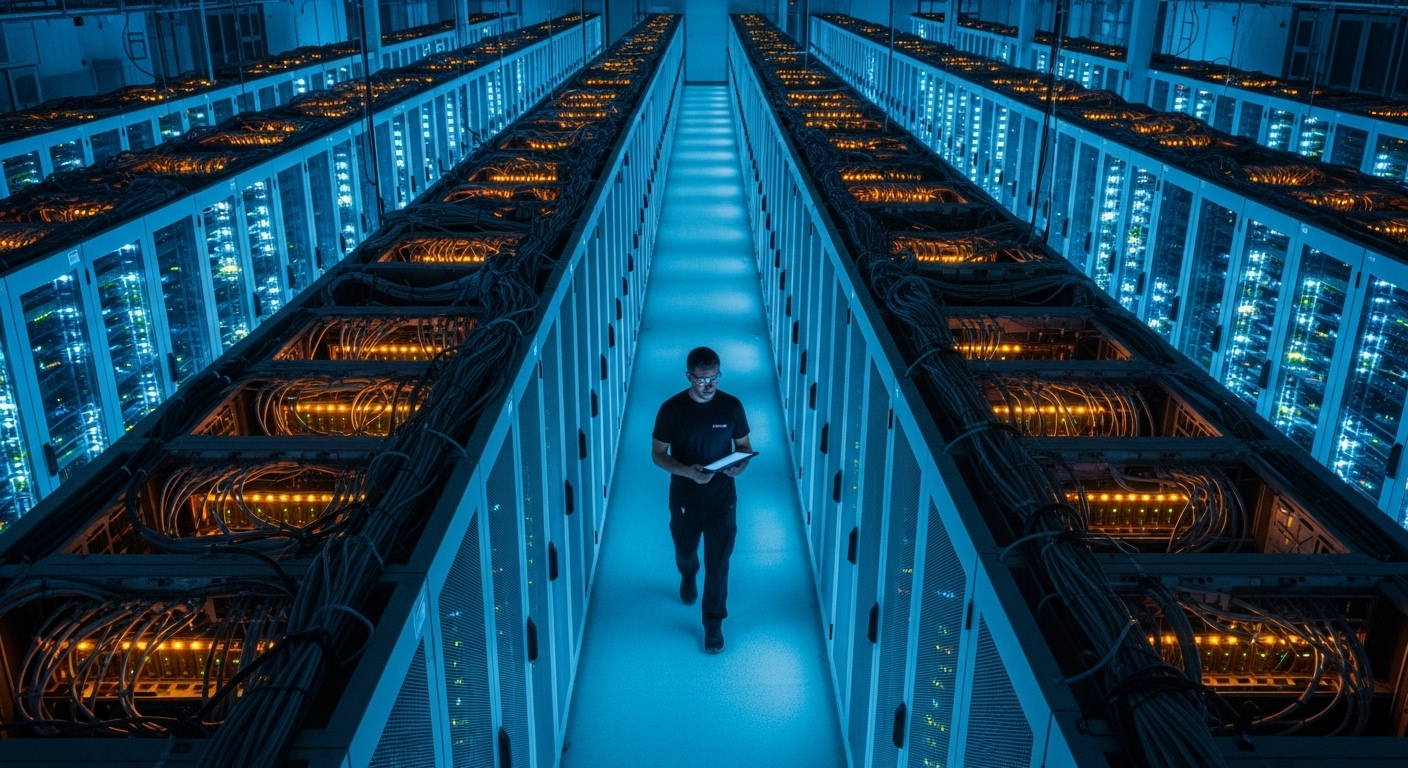
Cloud computing has become the backbone of digital transformation. Instead of storing data on personal devices, individuals and organizations now use remote servers to store and process information. This allows flexibility, scalability, and cost-efficiency. Businesses can collaborate across different locations, students can access learning materials online, and developers can build applications without investing heavily in infrastructure. Cloud platforms support AI, data analytics, IoT, and countless other technologies, making them key to innovation.
Internet of Things and Smart Living
The Internet of Things (IoT) refers to everyday devices connected to the internet, allowing them to communicate and share data. From smart homes with automated lighting and security systems to wearable fitness trackers and connected cars, IoT is making life more convenient and efficient. It helps industries monitor equipment, control supply chains, and improve safety. Smart cities are emerging with intelligent traffic systems, energy-efficient buildings, and digital public services. IoT is bridging the gap between the physical and digital worlds, creating an interconnected environment.
Cybersecurity and Digital Safety
As technology advances, so do cyber threats. Cybersecurity has become crucial to protect personal data, financial information, and digital infrastructure. Hackers use advanced techniques to attack systems, steal data, or disrupt services. To counter this, companies are investing in encryption, firewalls, artificial intelligence-based threat detection, and ethical hacking. Digital safety is not just the responsibility of organizations but also individuals. Using strong passwords, avoiding suspicious links, and being aware of cyber threats are essential habits in today’s connected world.
The Role of Technology in Healthcare
Healthcare has been revolutionized by technology. Medical imaging, robotic surgeries, telemedicine, and electronic health records have improved patient care and diagnosis. Wearable health devices monitor vital signs in real time, allowing doctors to track patients remotely. AI-powered tools help analyze medical data, predict diseases, and recommend treatments. Biotechnology is helping create new drugs and therapies for chronic illnesses. Technology has made healthcare more accessible, efficient, and personalized.
Education in the Digital Era
Technology has transformed education by making learning more engaging and accessible. Traditional classrooms are now supported by digital tools like smart boards, online courses, and virtual reality. Students can access lectures, books, and research materials from anywhere. Online platforms allow millions to learn new skills without attending physical classrooms. Virtual labs and simulations make complex subjects easier to understand. Technology has also introduced personalized learning, where students can learn at their own pace with adaptive software.
Technology in Business and Innovation
Businesses are using technology to improve productivity, communication, and customer experience. Automation and AI help companies manage tasks that once required human effort. Digital marketing expands business reach to global audiences. Data analytics allows organizations to make informed decisions. Financial technologies like digital payments and blockchain are changing the financial industry. Startups are thriving, using technology to solve everyday problems. Innovation is no longer limited to large companies—anyone with an idea and access to technology can create something impactful.
Entertainment and Digital Media
Technology has revolutionized the entertainment industry. Streaming platforms have replaced traditional television and cinema for many users. High-definition graphics and virtual reality provide immersive gaming experiences. Music production and film editing have become more advanced and accessible. Digital media allows creators to share content globally. Social platforms give artists and influencers a direct connection to their audience. Entertainment is no longer controlled by a few studios; it is now in the hands of creators and consumers.
The Future of Work and Remote Collaboration
The concept of work has changed dramatically due to technology. Remote work has become a standard option thanks to video conferencing, project management tools, and cloud collaboration platforms. Employees can work from home, saving time and increasing flexibility. Companies are hiring global talent without requiring relocation. Artificial intelligence is automating routine tasks, allowing humans to focus on creative and strategic roles. The future of work will be a blend of human skills and machine efficiency.
Transportation and Smart Mobility
Technology is also reshaping transportation. Electric vehicles are reducing carbon emissions and dependence on fossil fuels. Autonomous cars are being tested worldwide, promising safer and more efficient travel. Intelligent traffic systems help manage congestion and improve road safety. Ride-sharing apps have changed how people commute daily. High-speed trains and hyperloop concepts are pushing the limits of transportation speed. The goal is to create a sustainable and efficient mobility system for the future.
Space Technology and Exploration
Space technology has made significant progress in recent years. Reusable rockets, advanced satellites, and space missions to explore Mars and beyond are no longer dreams but realities. Satellites help with communication, weather forecasting, navigation, and disaster management. Space agencies and private companies are working on missions to explore the moon, Mars, and even distant planets. The dream of space tourism and human settlement on other planets is becoming more possible with technology.
Green Technology and Sustainability
As environmental concerns grow, green technology is gaining importance. Renewable energy sources like solar, wind, and hydropower are reducing our dependence on fossil fuels. Energy-efficient gadgets, electric vehicles, and sustainable architecture help reduce pollution. Technology is helping monitor climate change, protect wildlife, and manage natural resources. Sustainable technology is not just about protecting the planet but also about ensuring a better future for the next generations.
Ethics and Challenges in Technology
While technology offers countless benefits, it also raises important ethical questions. Issues like data privacy, artificial intelligence decision-making, online addiction, and job displacement need careful consideration. Technology should be developed and used responsibly. Governments and organizations must create policies to ensure that technology benefits society while minimizing risks. Ethics in AI, fair access to technology, and digital rights are topics that will continue to shape the future of innovation.
Human and Technology Relationship
The relationship between humans and technology is unique. Technology enhances human abilities but also creates dependency. People use technology for communication, work, education, and entertainment. However, excessive use can lead to social isolation, health problems, or loss of creativity. Striking a balance between technology and human life is essential. Technology should remain a tool that empowers humanity, not one that controls it.
Future Trends in Technology
The future of technology looks promising and exciting. Innovations like quantum computing, advanced AI, brain-computer interfaces, and biotechnology will change the world even more. Quantum computers will solve problems that current computers cannot. Brain-computer interfaces could help humans communicate with machines using thoughts. Biotechnology will create improved medicines, crops, and even synthetic organs. Future trends will not only make life easier but will also challenge our understanding of reality and ethics.
Conclusion
Technology has come a long way—from stone tools to artificial intelligence. It has shaped our world, influenced our behavior, and created endless possibilities. It is a force that drives progress and connects humanity. As we move into the future, we must embrace technology with wisdom and responsibility. Understanding its impact helps us use it to improve lives, solve global challenges, and build a better tomorrow. Technology is not just about innovation; it is about human progress and the endless pursuit of knowledge.