Technology has become the cornerstone of modern society, transforming how we live, work, communicate, and even think. From the smartphones in our pockets to the sophisticated artificial intelligence systems running global industries, technology influences nearly every aspect of our daily lives. In this blog post, we will explore the diverse facets of technology, its impact on society, emerging trends, challenges, and what the future may hold for humanity in this digital age.
The Historical Evolution of Technology
Understanding modern technology begins with appreciating its historical evolution. Technology is not a recent phenomenon; humans have been innovating for millennia. The invention of the wheel, discovery of fire, and development of the printing press marked revolutionary milestones. However, the industrial revolution, which began in the 18th century, brought a dramatic shift. Mechanized manufacturing, steam engines, and telegraphs set the stage for a more connected and efficient world.
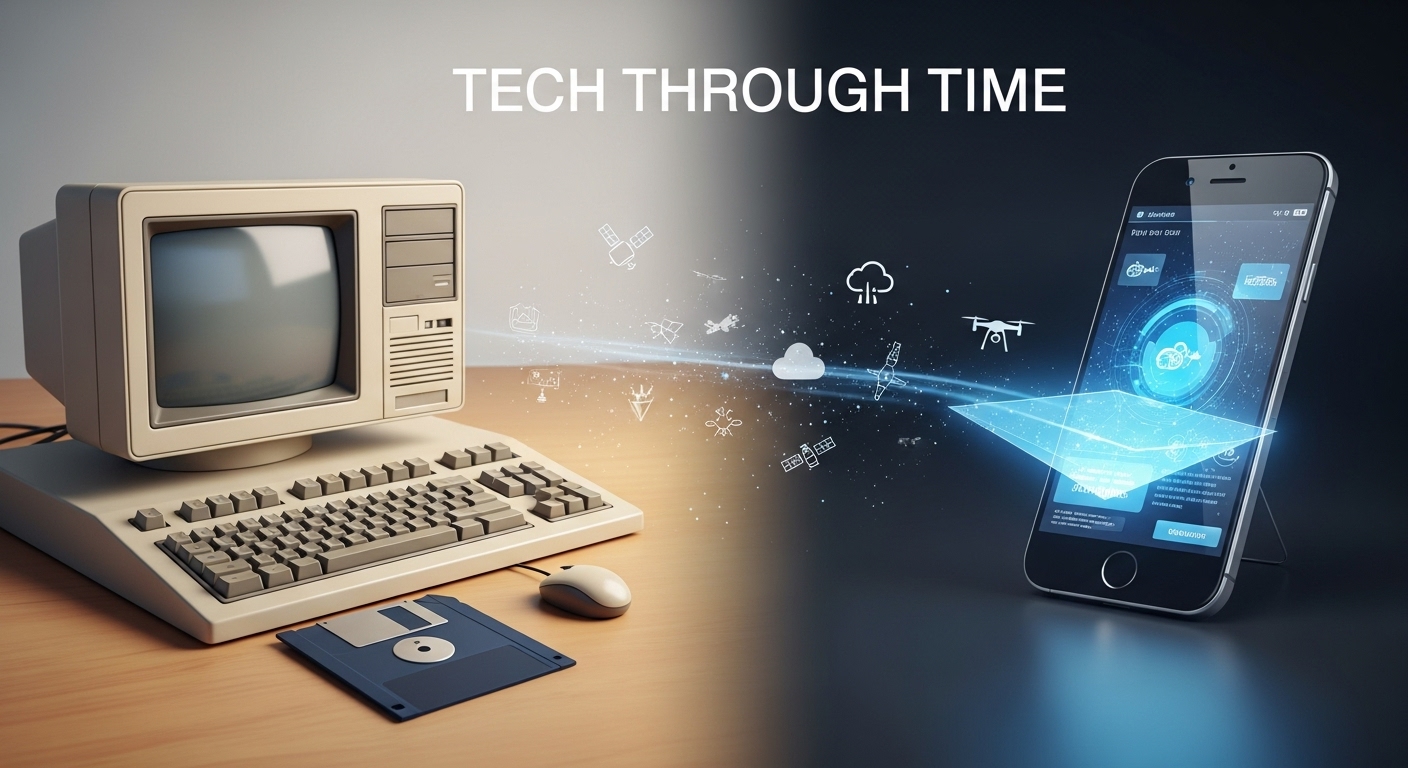
The 20th century witnessed the rise of electronics and computing. The invention of the transistor and integrated circuits led to the development of computers, fundamentally altering how information is processed and shared. The digital revolution that followed connected the world in ways previously unimaginable. Today, we stand in the middle of a technological era defined by rapid innovation, where advancements occur almost daily.
The Role of Computing and Artificial Intelligence
Computers have become the backbone of modern technology. Initially designed for simple calculations, today’s computers are powerful tools capable of complex problem-solving. They are integral to industries ranging from healthcare and finance to entertainment and education. The advent of artificial intelligence (AI) has further amplified their capabilities.
AI, often seen as the frontier of modern technology, enables machines to learn, reason, and make decisions. Machine learning, a subset of AI, allows systems to improve performance over time without explicit programming. AI applications are diverse, ranging from virtual assistants that manage our schedules to autonomous vehicles navigating busy city streets. In healthcare, AI analyzes medical data to detect diseases earlier and with greater accuracy than traditional methods. In finance, it predicts market trends and manages risks. The potential of AI is vast, and as algorithms improve, its integration into everyday life will deepen.
The Internet and Global Connectivity
One of the most transformative technological developments is the internet. Initially a tool for academic and military communication, the internet has become a global network connecting billions of people and devices. It has revolutionized how we access information, conduct business, and socialize. Social media platforms allow instant communication across continents, while cloud computing enables businesses to operate globally without physical infrastructure.
The concept of the Internet of Things (IoT) takes connectivity a step further. Everyday objects, from refrigerators to cars, are now connected to the internet, collecting and sharing data. This interconnectivity improves efficiency, enhances user experience, and opens new possibilities for automation. Smart homes, wearable health devices, and intelligent traffic systems are just the beginning of IoT’s impact.
The Rise of Mobile Technology
Mobile technology has reshaped the way we interact with the world. Smartphones, now ubiquitous, are more than communication tools—they are portable computers, entertainment centers, and gateways to digital services. Mobile applications have transformed industries like banking, retail, transportation, and healthcare, making services more accessible and convenient.
5G technology, the next generation of mobile networks, promises unprecedented speed and connectivity. It will support more devices simultaneously, reduce latency, and enable innovations such as augmented reality, virtual reality, and real-time remote surgeries. The proliferation of mobile technology continues to drive social, economic, and technological change globally.
Cybersecurity: The Silent Guardian
As technology becomes more integrated into our lives, cybersecurity has emerged as a critical concern. Cyber threats, including hacking, phishing, and ransomware, have increased in frequency and sophistication. Protecting sensitive data—personal, corporate, or governmental—has become paramount. Cybersecurity is no longer just a technical issue; it is a societal concern, impacting privacy, economic stability, and national security.
Modern cybersecurity strategies employ advanced encryption, artificial intelligence-based threat detection, and continuous monitoring. However, human error remains a significant vulnerability. Educating users about safe online practices and implementing robust security protocols are essential steps to mitigate risks.
Cloud Computing and Data Management
Cloud computing has transformed how organizations manage and store data. Instead of maintaining physical servers, businesses now rely on cloud infrastructure to host applications, store data, and scale operations efficiently. This shift reduces costs, enhances flexibility, and enables global collaboration.
Data is often described as the “new oil,” and effective data management is crucial. Big data analytics allows organizations to extract valuable insights from massive datasets, guiding strategic decisions. From predicting consumer behavior to optimizing supply chains, the intelligent use of data is a competitive advantage in the modern economy.
Emerging Technologies: Blockchain and Quantum Computing
Emerging technologies are pushing the boundaries of what is possible. Blockchain, originally developed for cryptocurrency, has applications far beyond digital currency. Its decentralized and tamper-proof nature makes it ideal for secure transactions, supply chain management, and digital identity verification. Industries such as finance, healthcare, and logistics are exploring blockchain to enhance transparency and efficiency.
Quantum computing represents another revolutionary frontier. Unlike classical computers, which process information in bits, quantum computers use qubits that can exist in multiple states simultaneously. This capability allows quantum computers to solve certain complex problems exponentially faster than classical computers. Potential applications include drug discovery, optimization problems, and cryptography. While still in its early stages, quantum computing promises to redefine computational possibilities.
Technology in Healthcare
Healthcare has been profoundly transformed by technology. Telemedicine allows patients to consult doctors remotely, reducing the need for physical visits and expanding access to medical services. Wearable devices monitor vital signs in real-time, enabling preventive care and personalized treatment plans.
Advanced imaging technologies, robotic surgeries, and AI-driven diagnostics have improved the accuracy and efficiency of medical procedures. Genomic research, powered by computational technology, is unlocking new possibilities in personalized medicine. The integration of technology into healthcare not only improves patient outcomes but also makes medical services more efficient and scalable.
The Impact on Education
Education has undergone a technological revolution. Traditional classrooms are supplemented with digital learning platforms, virtual labs, and interactive simulations. Students now have access to a wealth of resources online, including lectures from top universities and specialized courses in niche subjects.
Artificial intelligence and adaptive learning platforms personalize educational experiences, adjusting content and pace based on individual learning styles. Virtual and augmented reality technologies create immersive learning environments, making complex concepts easier to understand. Technology has democratized education, making quality learning accessible to millions worldwide.
Automation and the Future of Work
Automation is reshaping the workforce. Robotic process automation, AI, and advanced machinery are taking over repetitive and time-consuming tasks, allowing humans to focus on creative and strategic work. Industries such as manufacturing, logistics, and customer service are experiencing significant efficiency gains.
However, automation also presents challenges, including potential job displacement and the need for workforce reskilling. Preparing for a future where humans collaborate with intelligent machines requires a focus on education, skill development, and adaptive policy-making.
Ethical Considerations and Technology
With great power comes great responsibility. As technology advances, ethical considerations become increasingly important. Issues such as privacy, surveillance, algorithmic bias, and the environmental impact of tech development require careful deliberation.
AI systems, for example, can inadvertently perpetuate bias if trained on unrepresentative datasets. Ethical frameworks and regulations are necessary to ensure technology serves humanity positively. Transparency, accountability, and inclusivity must be prioritized in technological innovation.
Environmental Implications of Technology
While technology drives progress, it also impacts the environment. Data centers consume vast amounts of energy, electronic waste continues to grow, and resource extraction for tech components can be environmentally damaging. Sustainable technology practices are essential to balance innovation with ecological responsibility.
Green computing, energy-efficient devices, and recycling initiatives are steps in the right direction. Technology also plays a role in environmental protection, from monitoring climate change to developing renewable energy solutions and smart city infrastructure.
The Future of Technology
The future of technology promises exciting possibilities. Artificial intelligence will continue to evolve, becoming more integrated into our lives. Quantum computing, advanced robotics, and biotechnology will redefine what is possible across industries. Connectivity through 5G, satellite internet, and the Internet of Things will create a hyper-connected world.
Emerging concepts such as the metaverse, autonomous systems, and brain-computer interfaces hint at a future where digital and physical realities converge. However, the key to harnessing these advancements lies in responsible innovation, ethical governance, and ensuring technology remains accessible and beneficial to all.
Conclusion: Technology as a Catalyst for Progress
Technology is not merely a tool; it is a catalyst for progress, shaping societies, economies, and human experiences. Its influence spans every aspect of life, from communication and education to healthcare and environmental sustainability. While challenges such as cybersecurity, ethical concerns, and environmental impacts must be addressed, the potential of technology to enhance human life is immense.
As we move forward, embracing innovation while prioritizing responsibility will ensure that technology continues to serve humanity positively. The future is being written not just by engineers and scientists, but by society as a whole, as we navigate this remarkable era of technological transformation.